Project
Memory Spaces
Auditory reconstruction of memories
Project Overview
Memory Spaces is an art installation that enables participants to relive their personal memories through acoustic stimuli. The project was developed as part of the Master’s programme in Design & Computation and aims to reconstruct personal memories as individual soundscapes using natural language processing and generative AI.
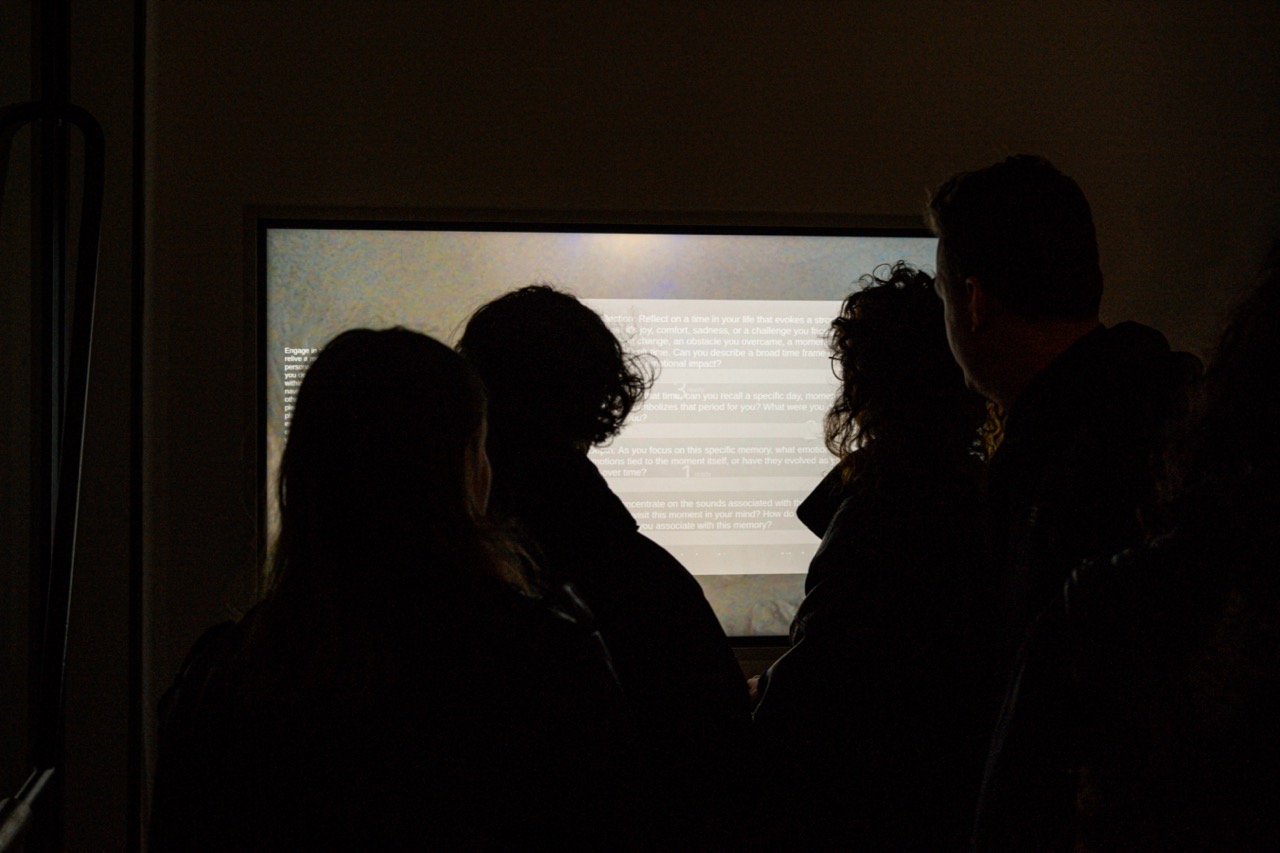
The process begins with a questionnaire in which participants describe their memories in detail. We use psychological questioning methods based on the research of Singer und Moffitt (1992) to crystallise the participants’ memories. The submitted descriptions are analysed by an LLM. On this basis, the text-to-audio model AudioLDM 2 generates individual soundscapes using latent diffusion (Liu et al., 2023). For example, the memory of cycling can be simulated using the sounds of rolling tyres and the wind, whilst the memory of a first kiss is enhanced by soft background music and the murmur of a nearby river.
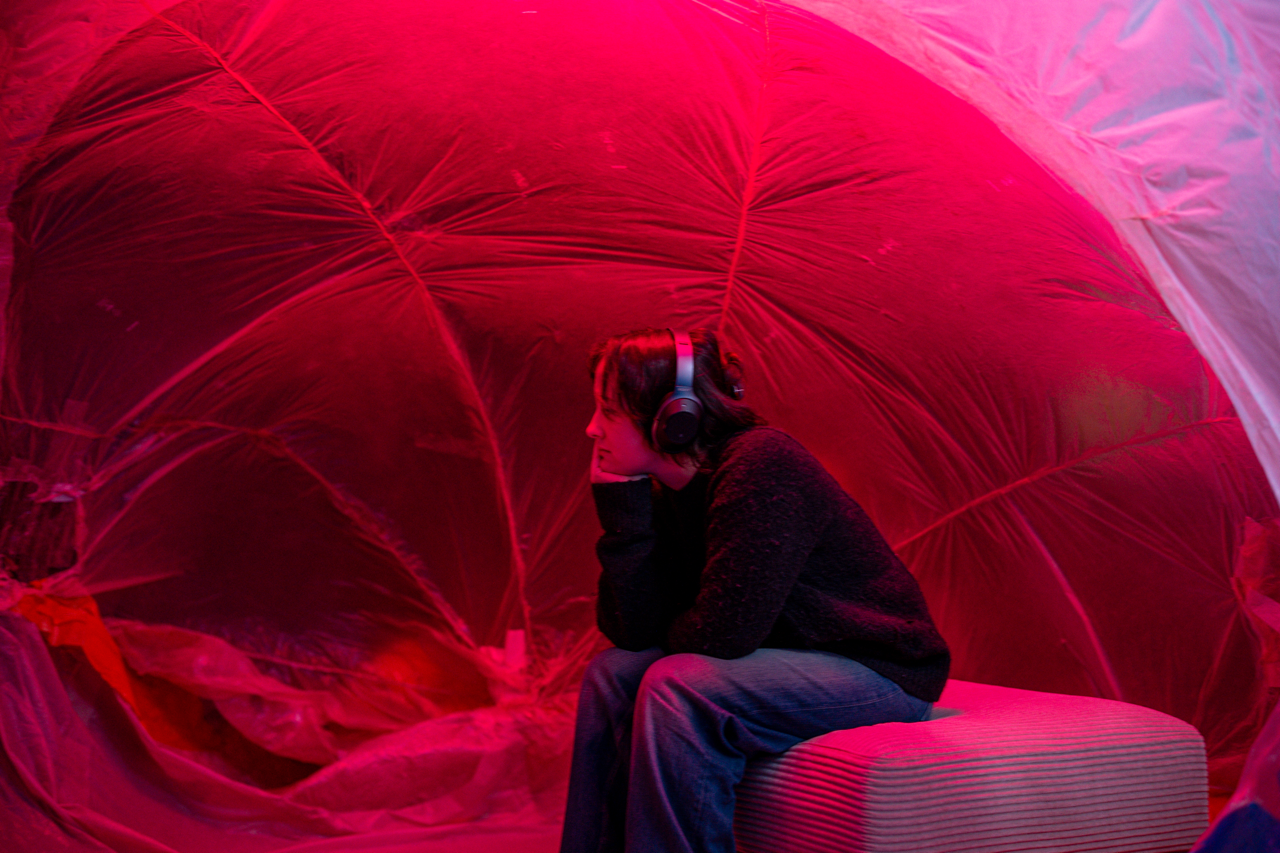
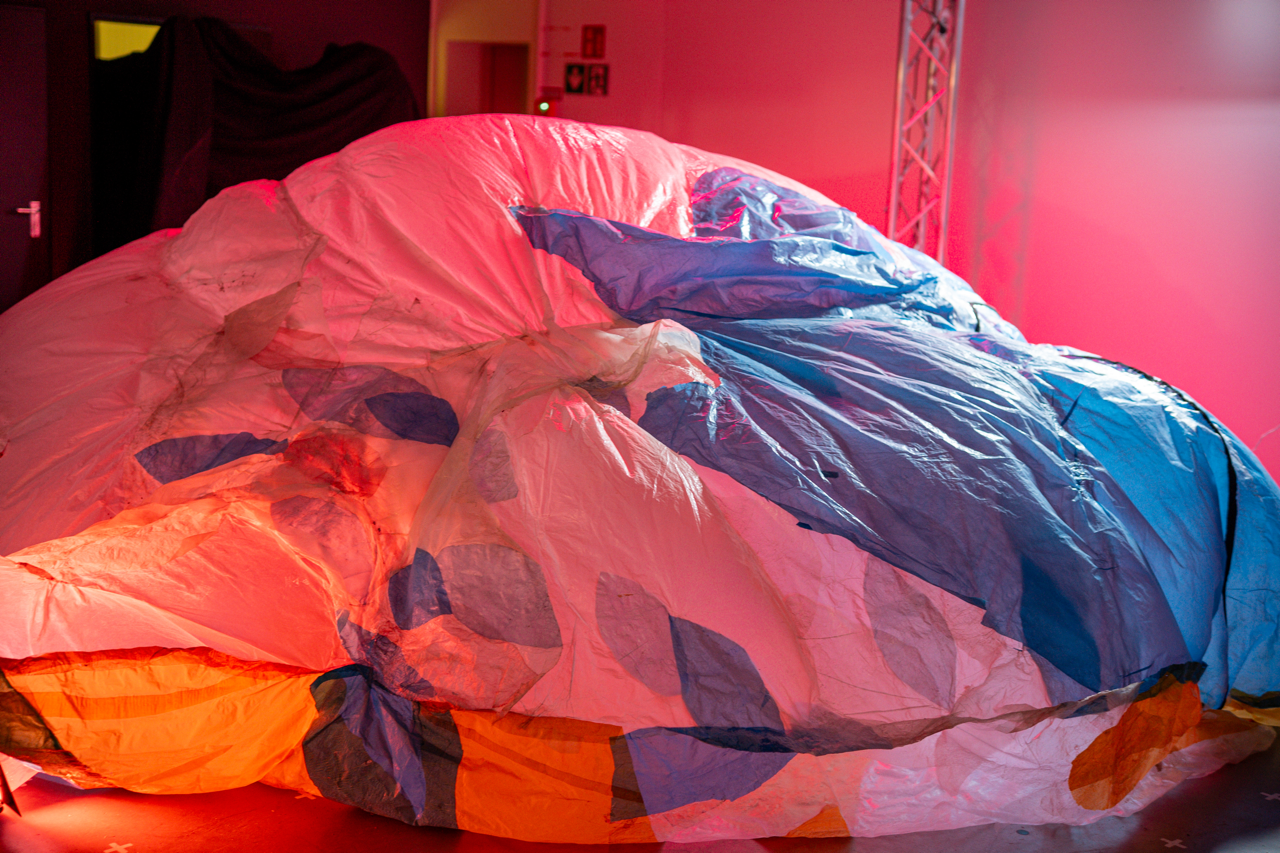
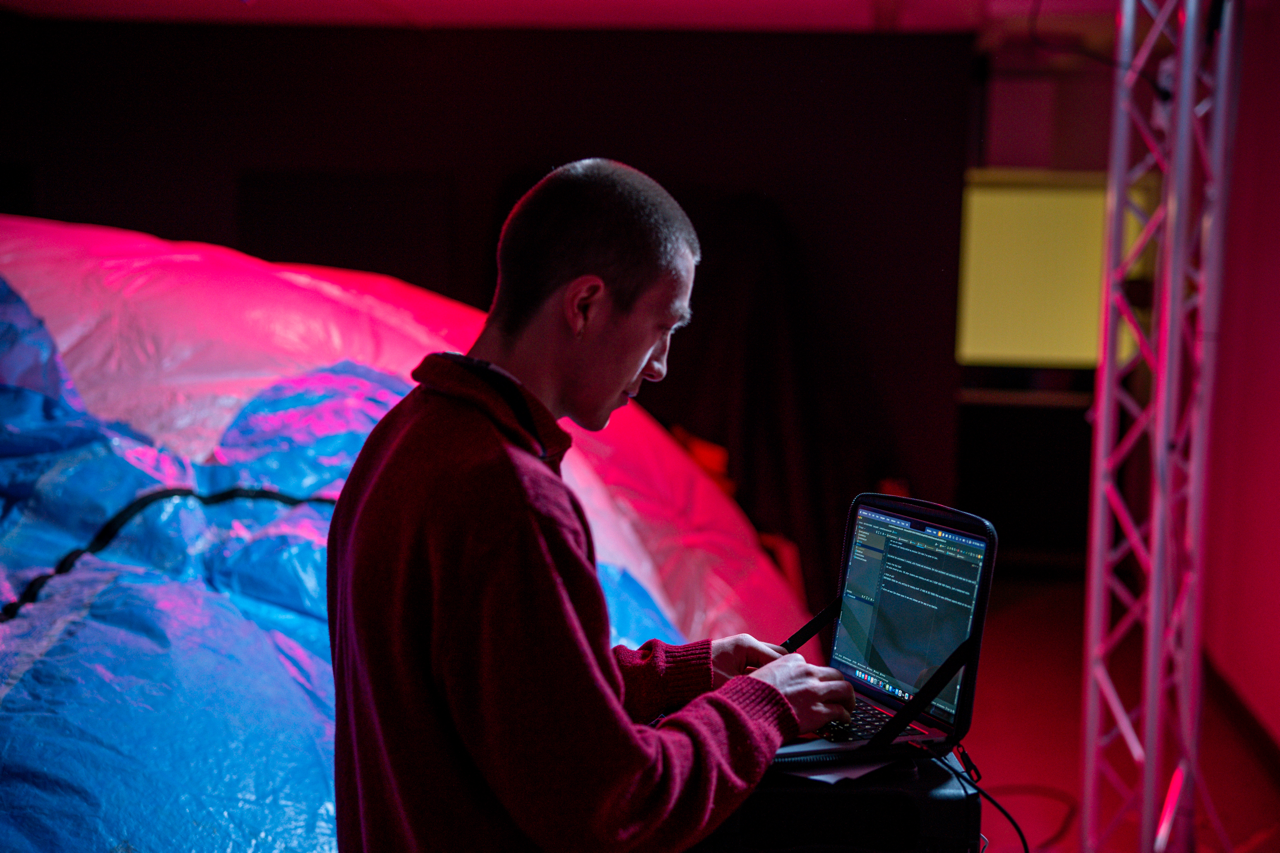
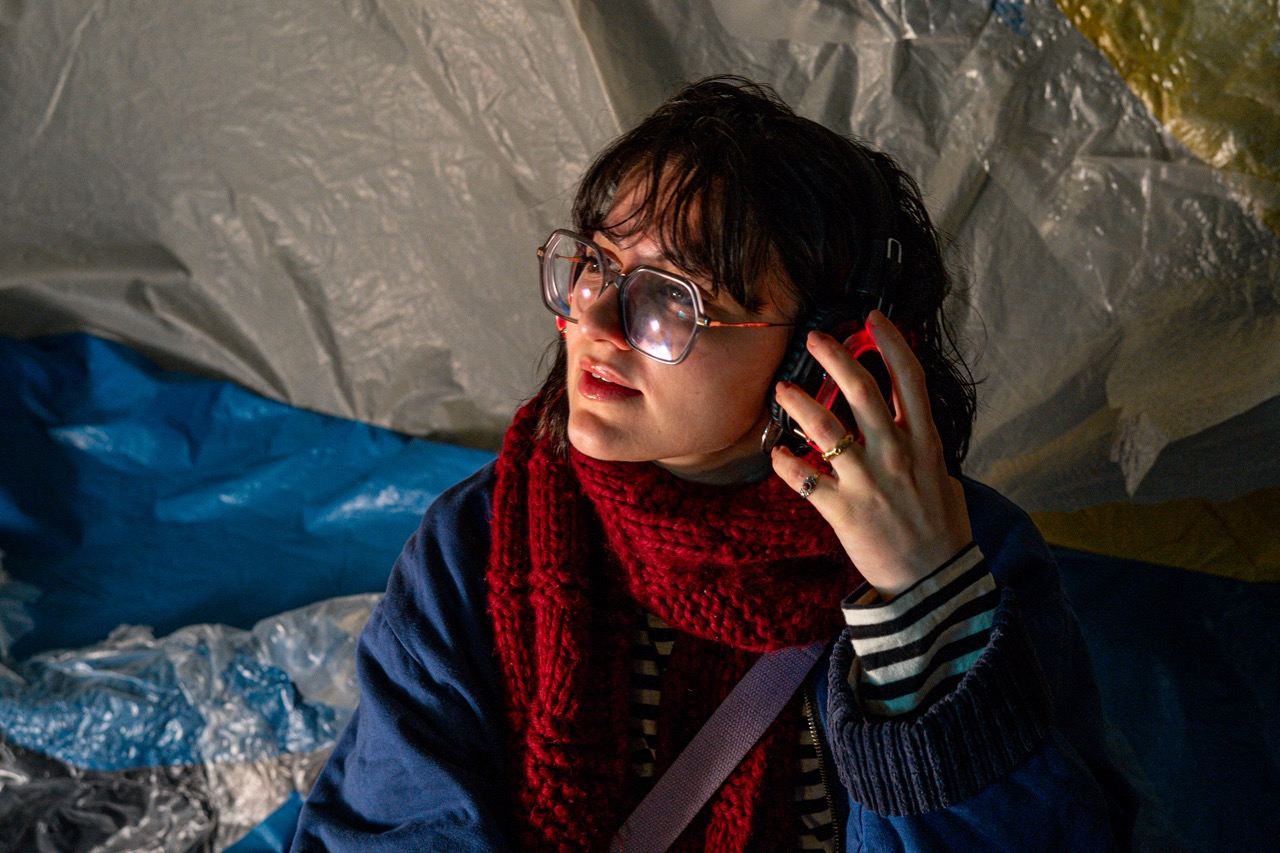
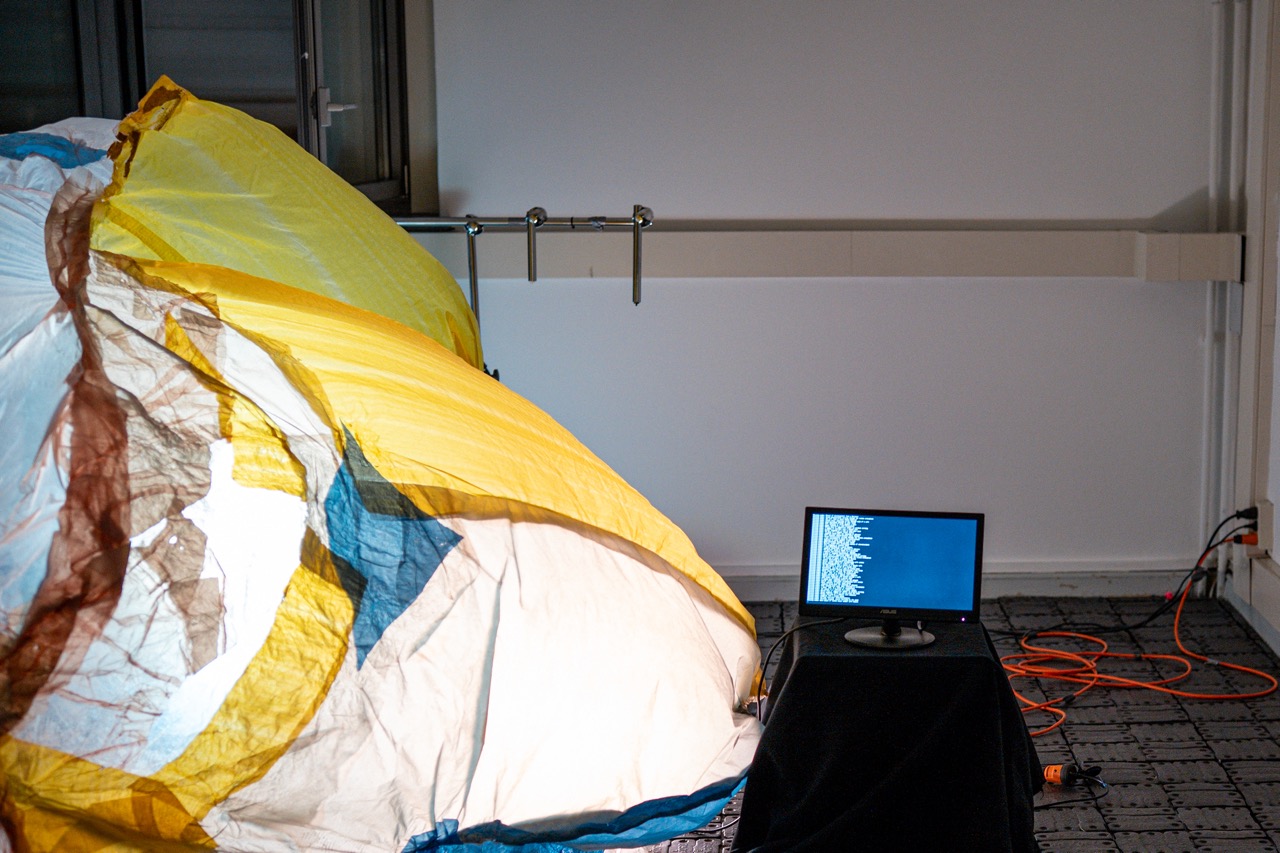
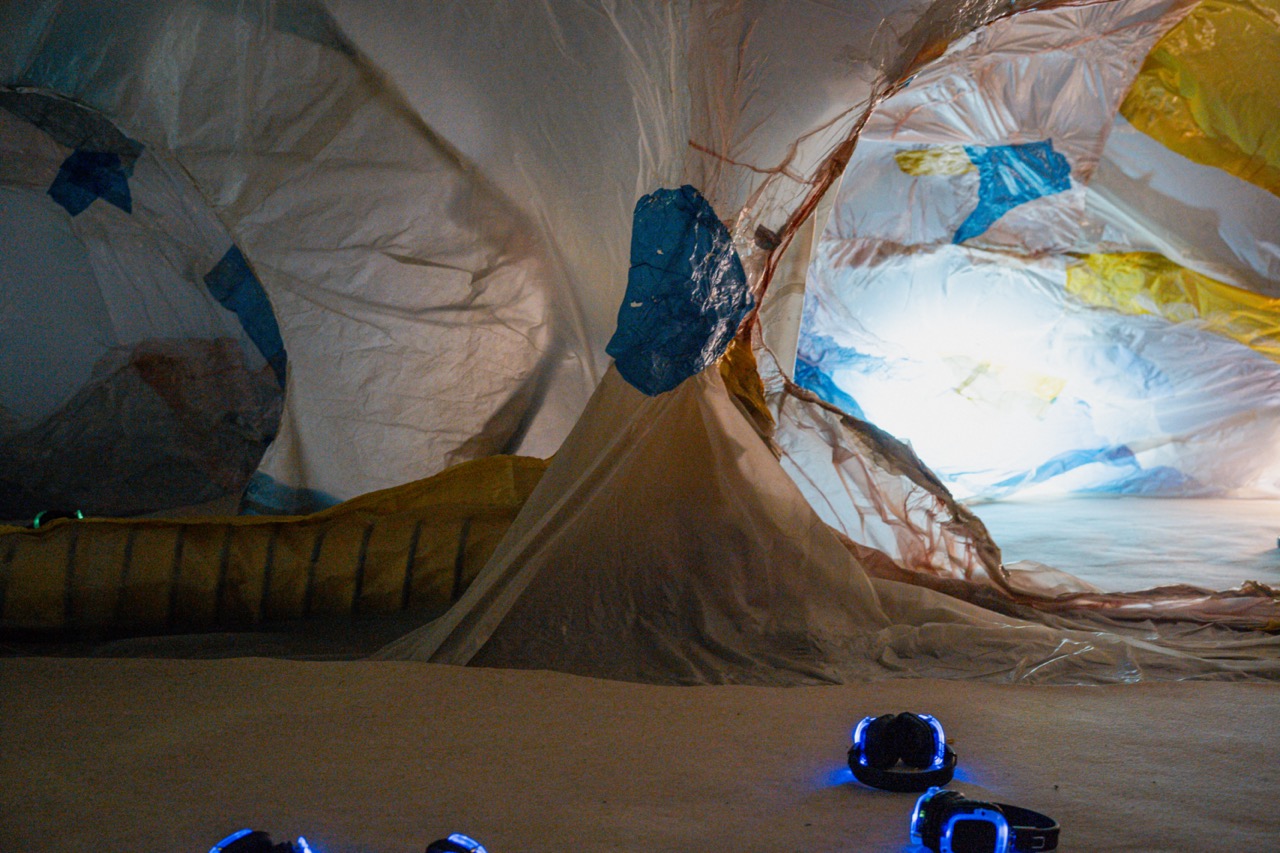
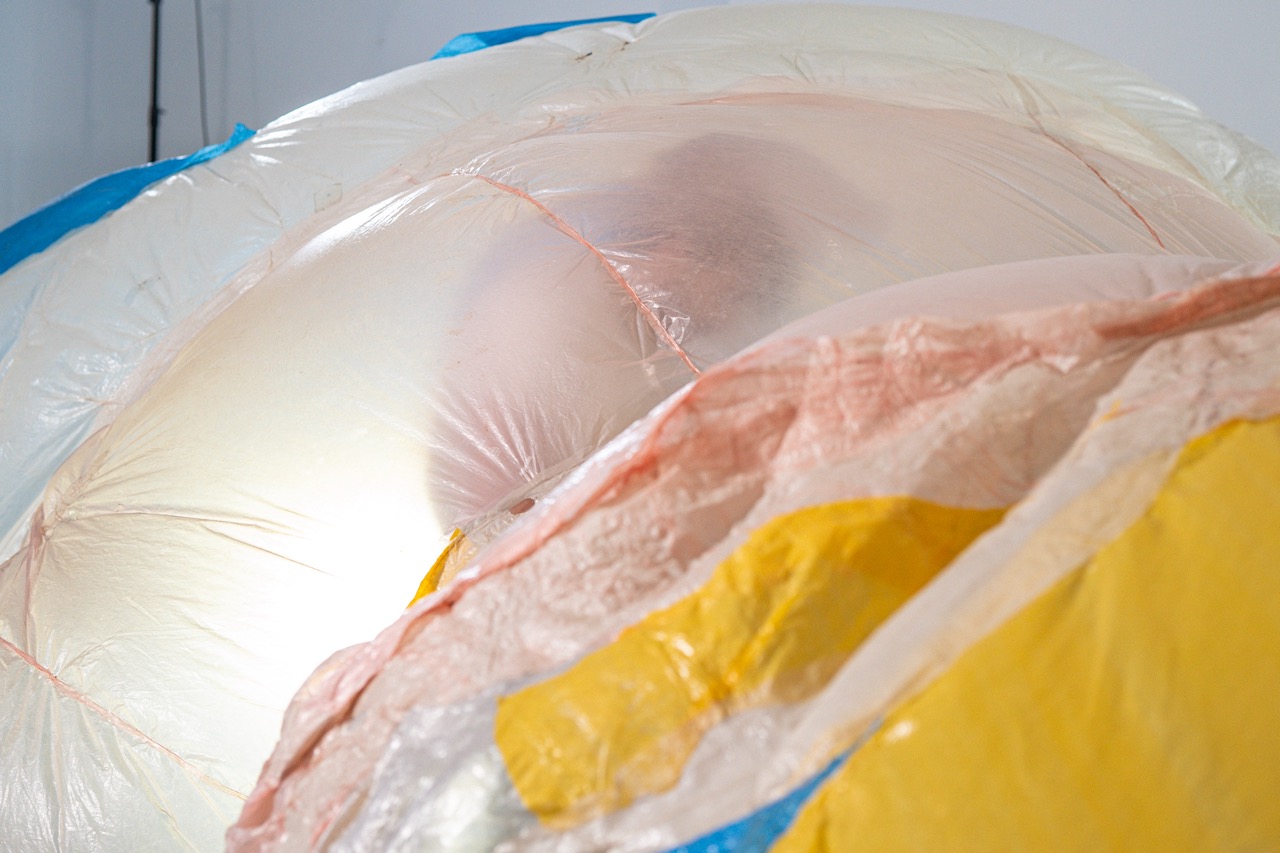
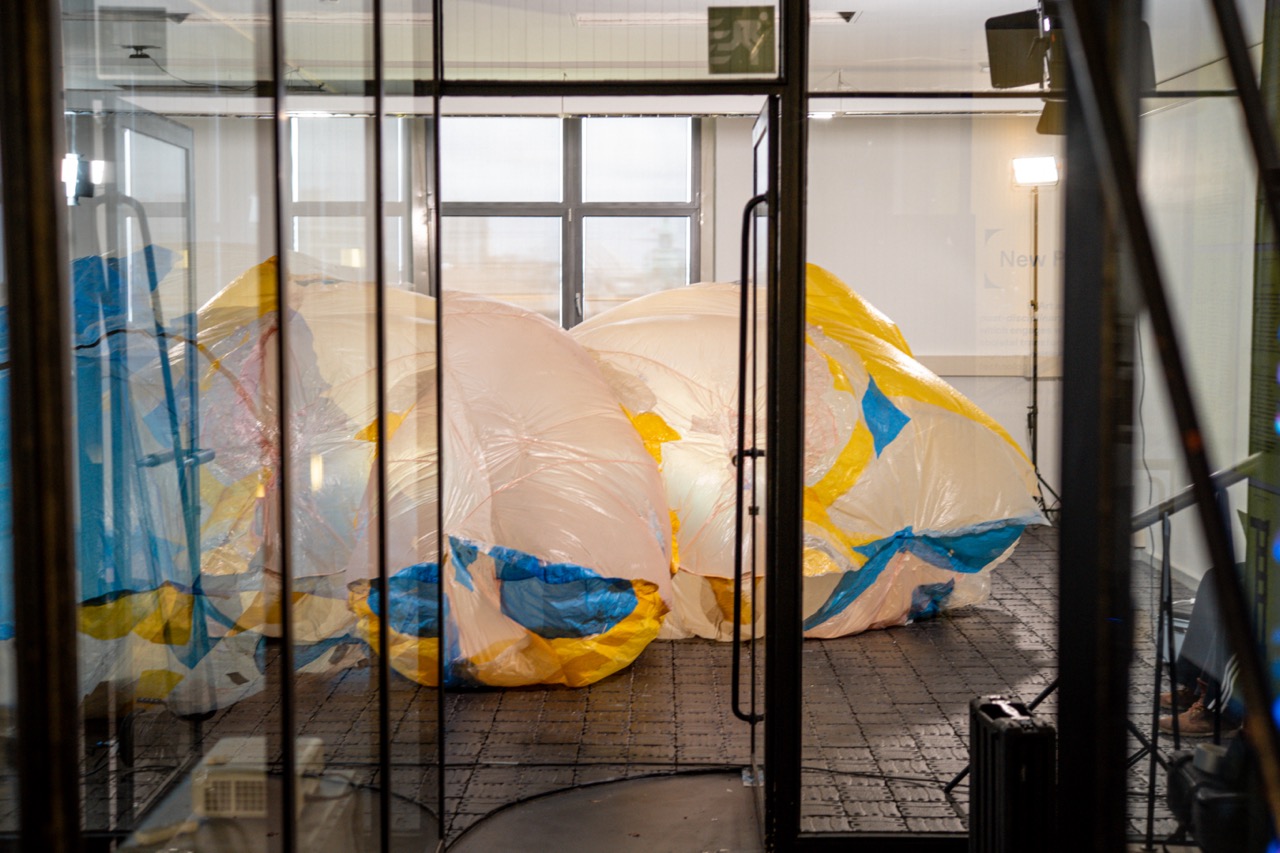
The sounds generated are presented to participants in a specially designed, soundproofed room that isolates them from the outside world and creates an immersive acoustic environment. Our artificial bubble consists of several interconnected inflatable structures that provide a playful yet intimate atmosphere. In this environment, participants can explore their own memories and also step into the memories of others.
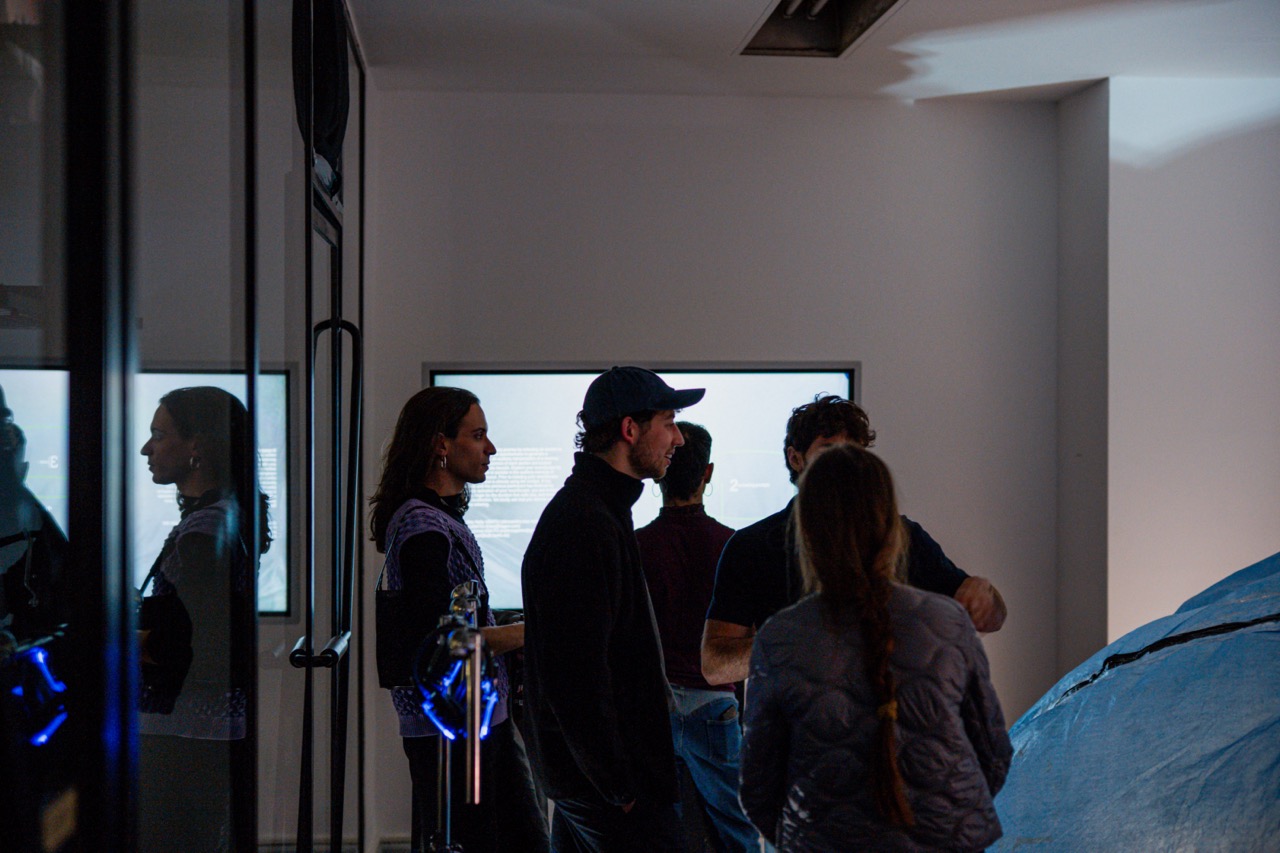
The first iteration of Memory Spaces was presented at the end of February 2024 as part of an exhibition organised by the Master’s programme in Design & Computation. The multi-chambered inflatable bubble enabled visitors to explore their own memories and also to move into the memories of others. The structure, consisting of three interconnected inflatable bubbles, allowed up to ten people to interact simultaneously in different zones of memory.
Our aim is to further push the boundaries between art and technology and to create an even deeper connection to the participants’ personal memories.
Impressions
Two generated audio samples based on reconstructed memories: first, the walk in the woods with the Scouts; then, the holiday in Italy on the beach.
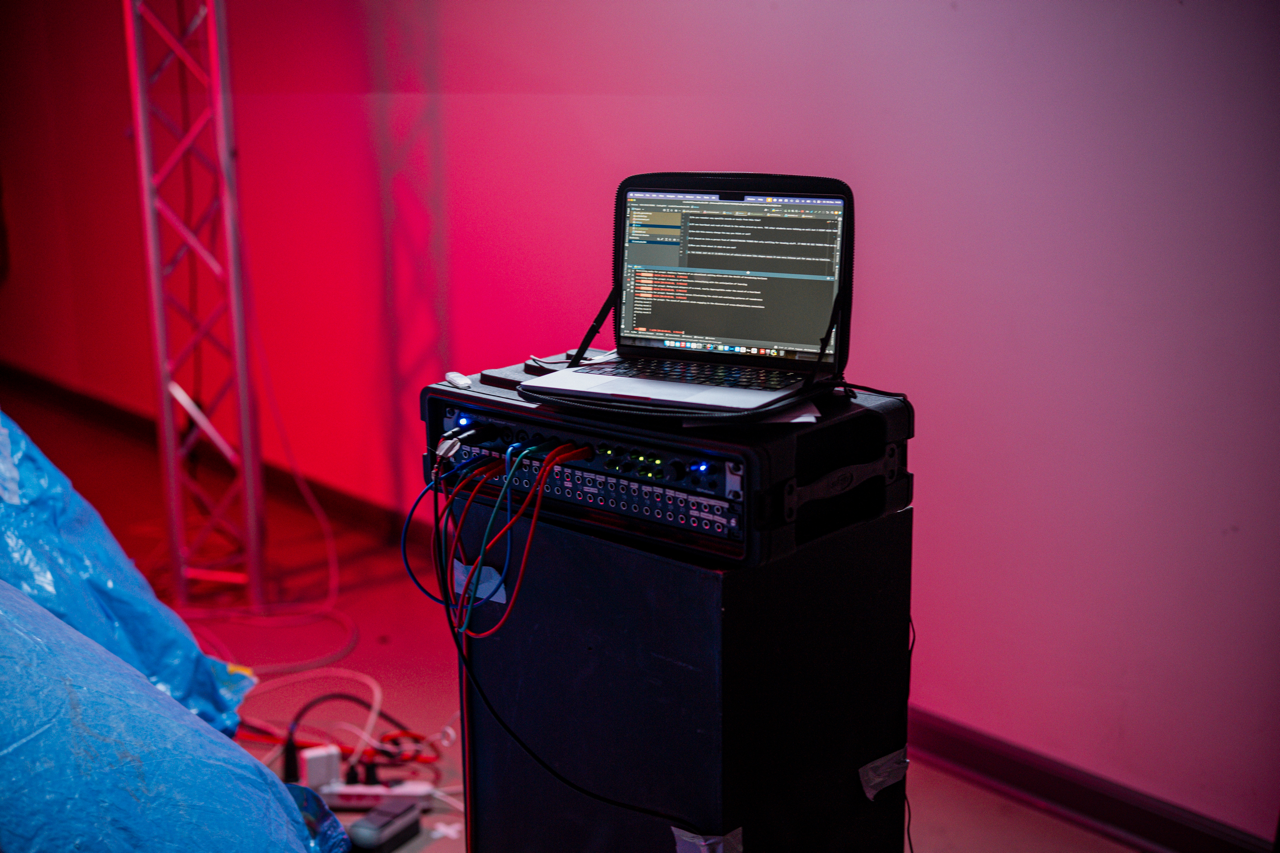
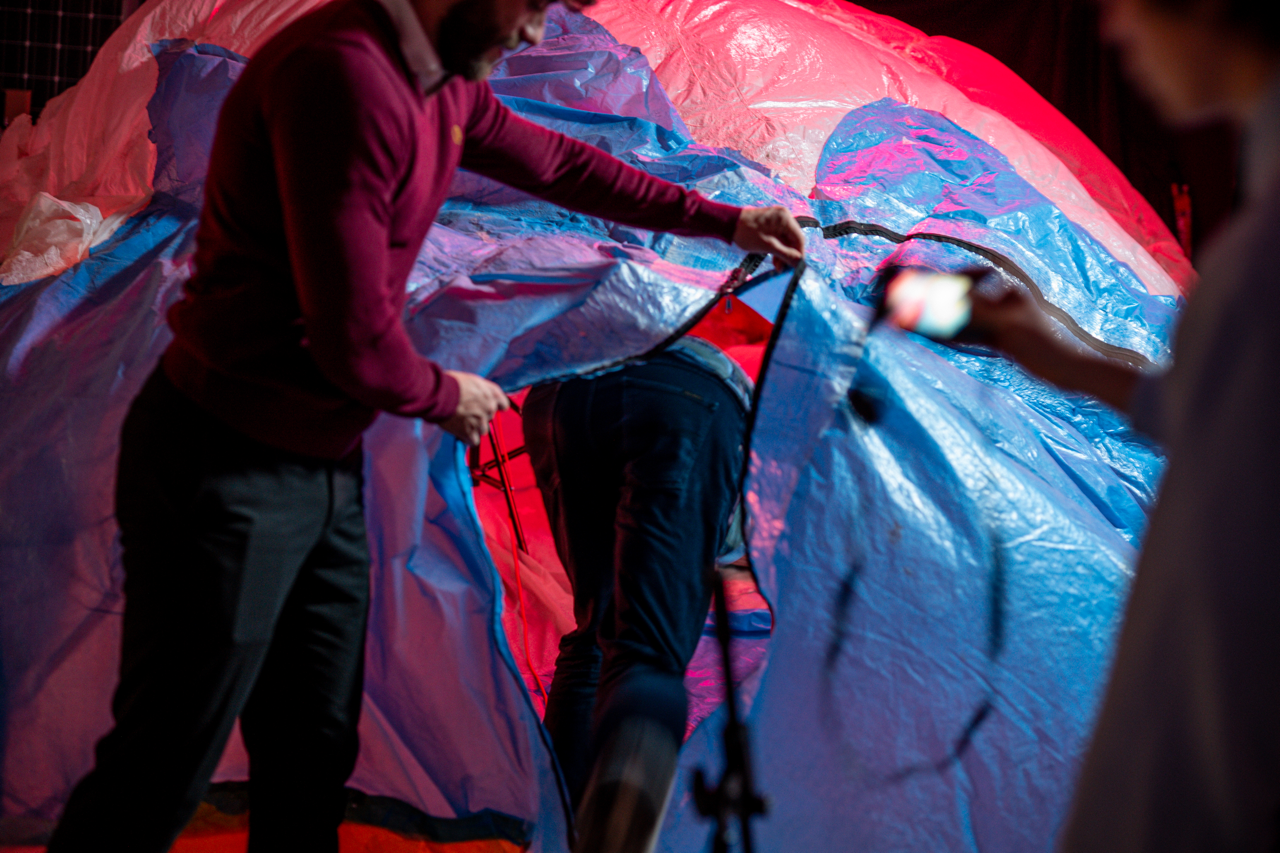
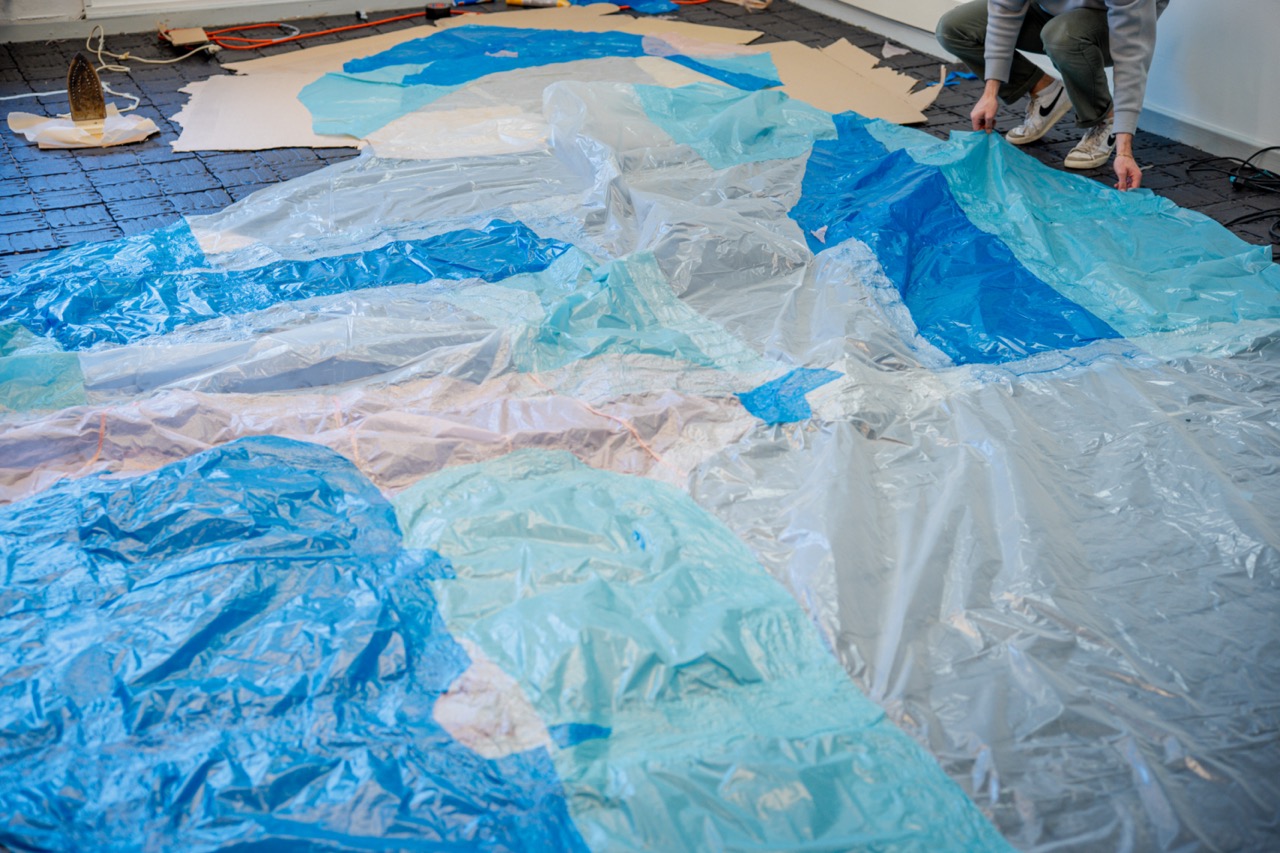
Further images from the development process and from various exhibitions:
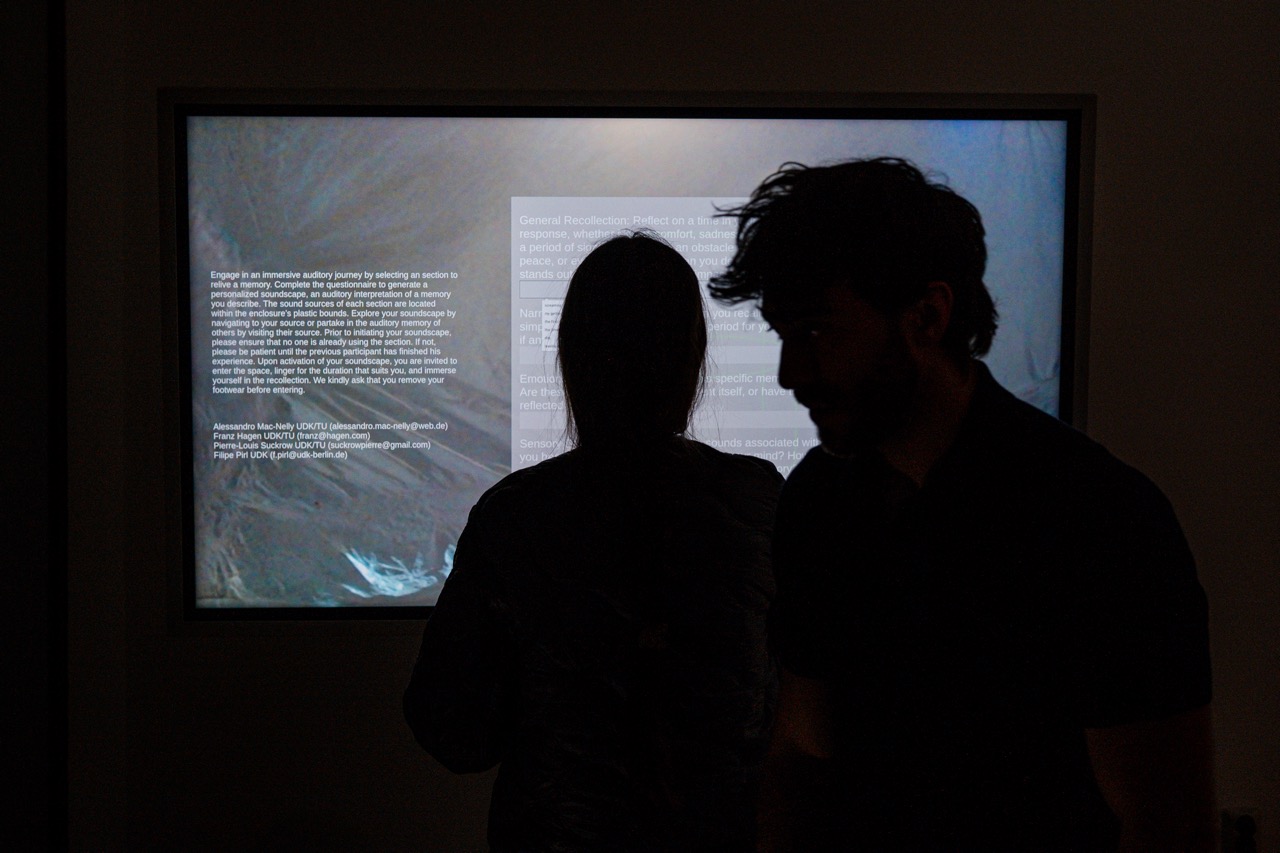
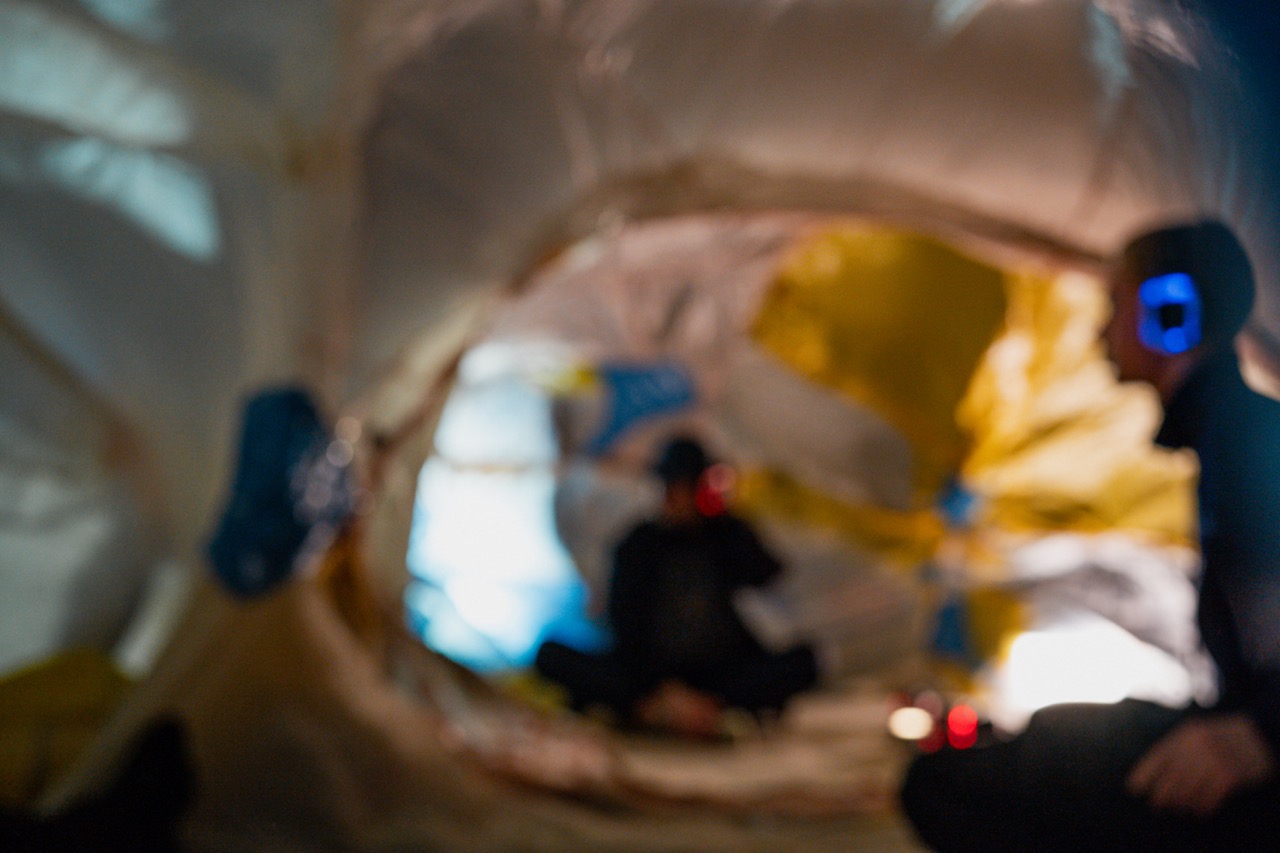
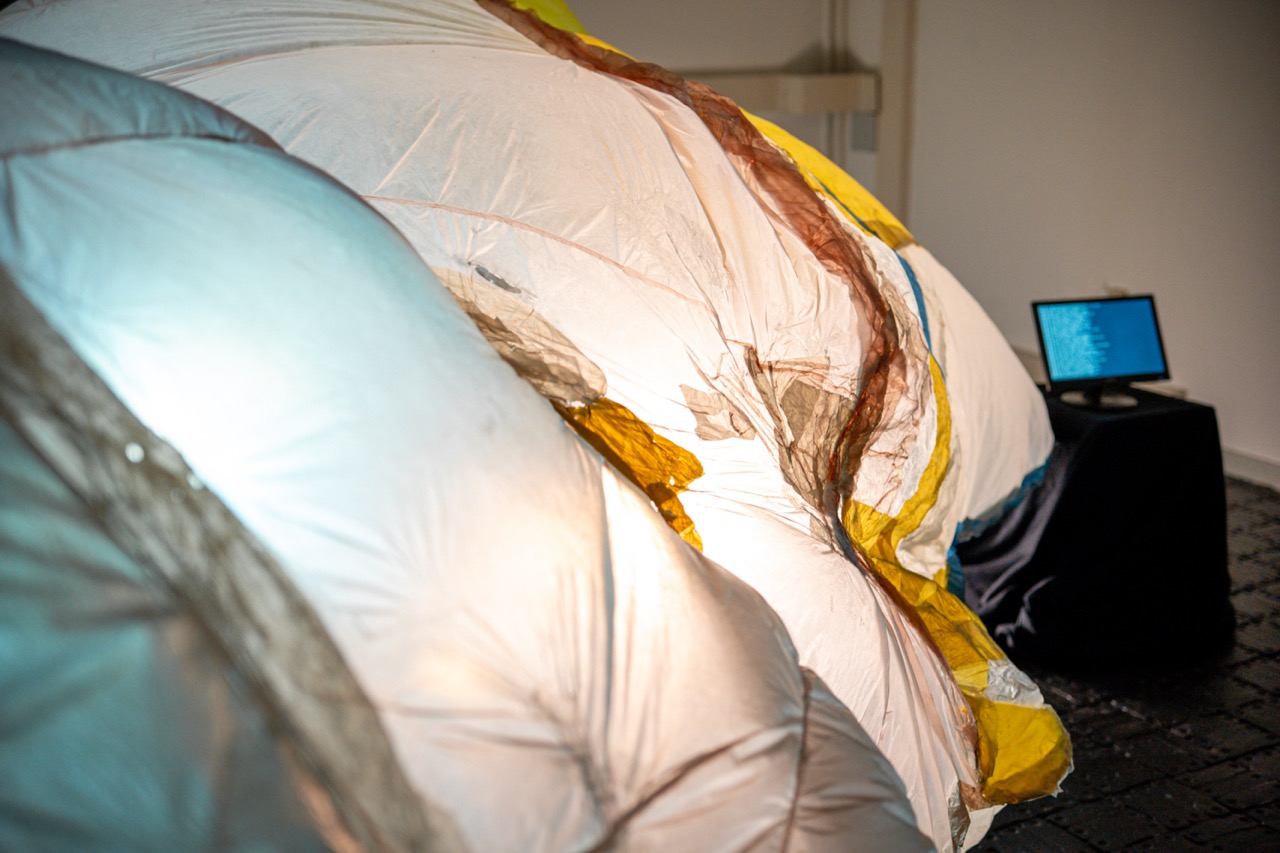
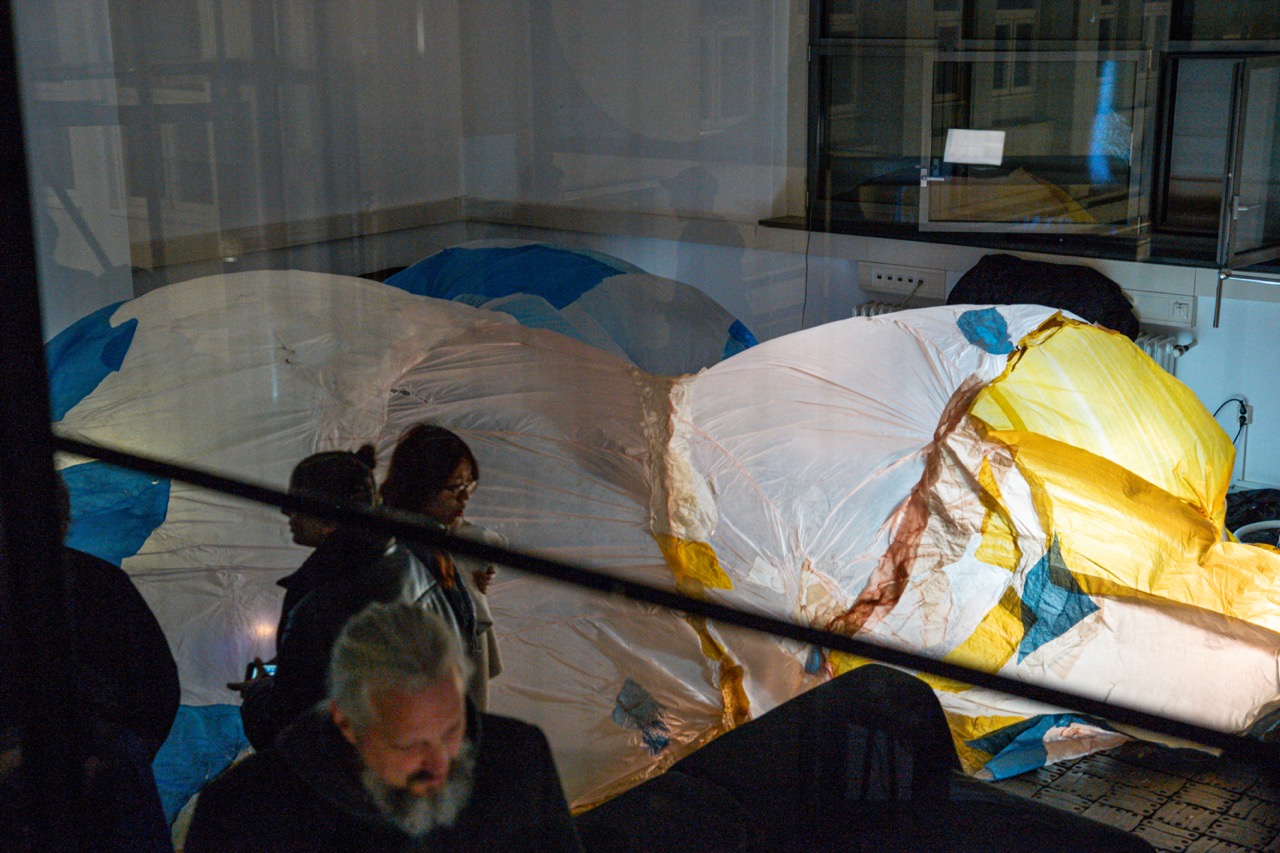
1 / 17
Questionnaire on the reconstruction of memories
The questionnaire is a version adapted for Memory Spaces, based on the survey of self-defined memories by Singer und Moffitt (1992).
We would like you to recall an event in your life. This event must be significant in defining who you are. In other words: this memory should relate to an event that helps you understand who you are as an individual. It should be something you would share with someone if you wanted that person to understand you in a fundamental way. This event can be a positive or negative memory. The memory should be an event you have thought about many times. It should also be familiar to you, much like a picture you have looked at often, or a song you have learnt by heart.
-
General recollection: Think back to a time in your life that evokes a strong emotional response, be it joy, comfort, sadness or a challenge you had to face. This could be a time of significant change, an obstacle you overcame, a moment of beauty or peace, or even a difficult period. Can you describe a longer period of time or an event that stands out to you particularly because of its emotional impact?
-
Focus: Can you recall a specific day, a moment or even a simple pleasure from that time that symbolises that period for you? What were you doing, and who was there, if anyone?
-
Emotional depth: When you focus on this particular memory, what feelings do you experience? Are these emotions linked to the moment itself, or have they developed over time as you have reflected on it?
-
Sensory details: Focus on the sounds associated with this memory. What can you hear when you recall this moment? How do these sounds amplify or reflect the feelings you associate with this memory?
-
Visual imagination: What images or visual details do you recall when thinking of this memory? Are there any colours, shapes or specific objects that particularly catch your eye? How do these visual elements contribute to your emotional response to this memory?
References
Liu, H., Yuan, Y., Liu, X., Mei, X., Kong, Q., Tian, Q., Wang, Y., Wang, W., Wang, Y., & Plumbley, M. D. (2023). AudioLDM 2: Learning holistic audio generation with self-supervised pretraining. arXiv. https://doi.org/10.48550/arXiv.2308.05734
Singer, J. A., & Moffitt, K. H. (1992). An experimental investigation of specificity and generality in memory narratives. Imagination, Cognition and Personality, 11(3), 233–257. https://doi.org/10.2190/72A3-8UPY-GDB9-GX9K