Project
Biomorphose
3D-printed sculptures and drawings
Interactive 3D view
Project Overview
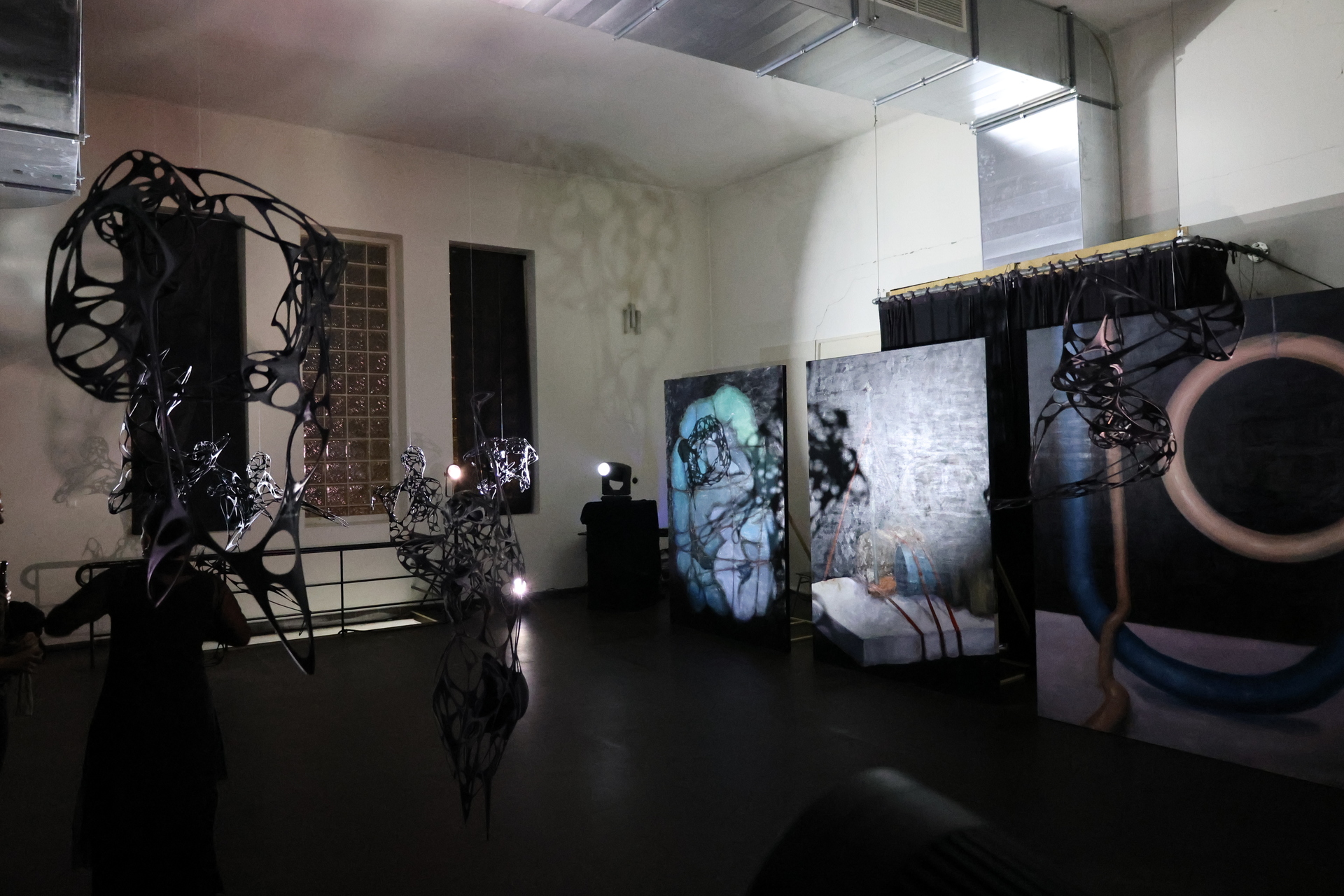
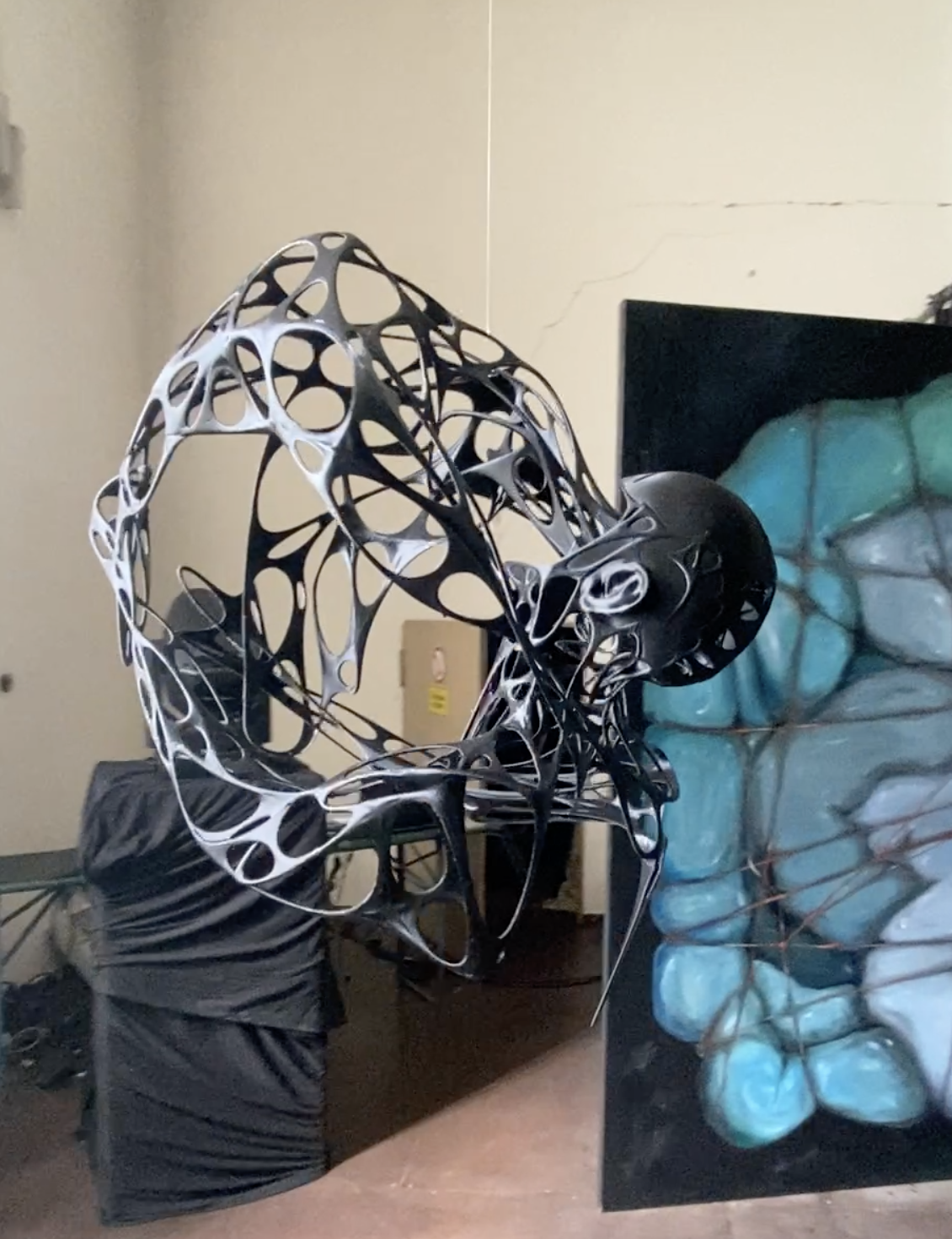
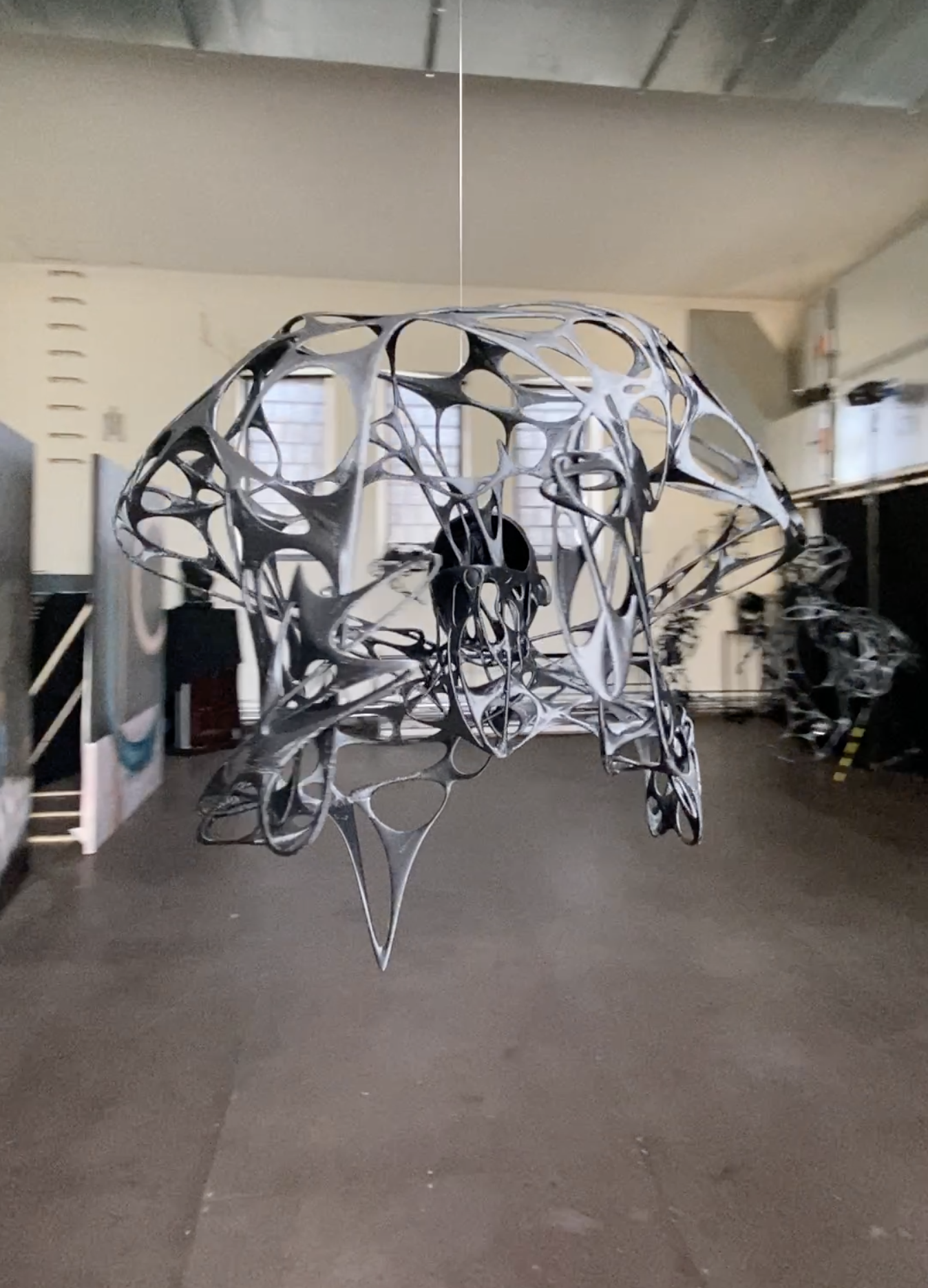
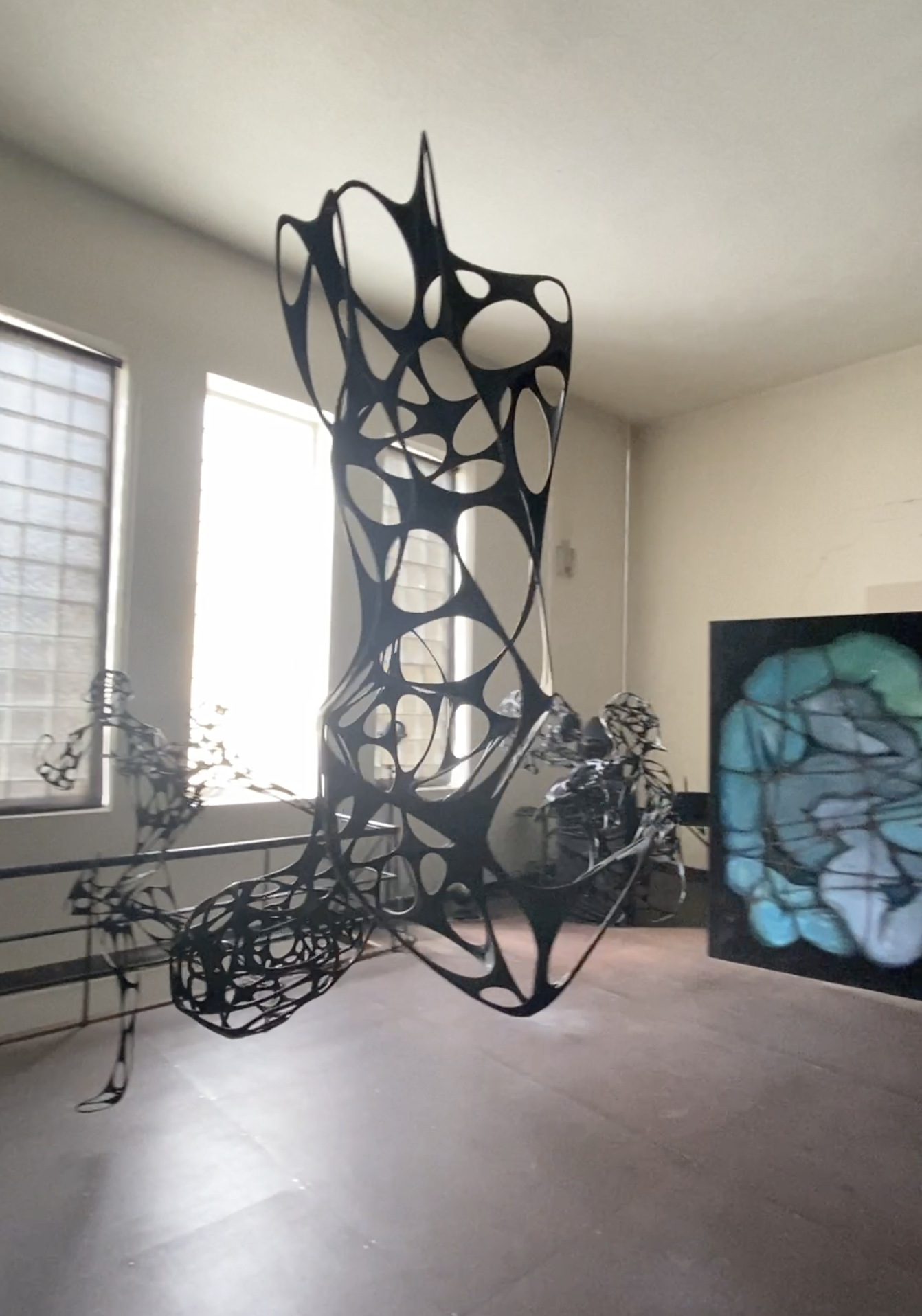
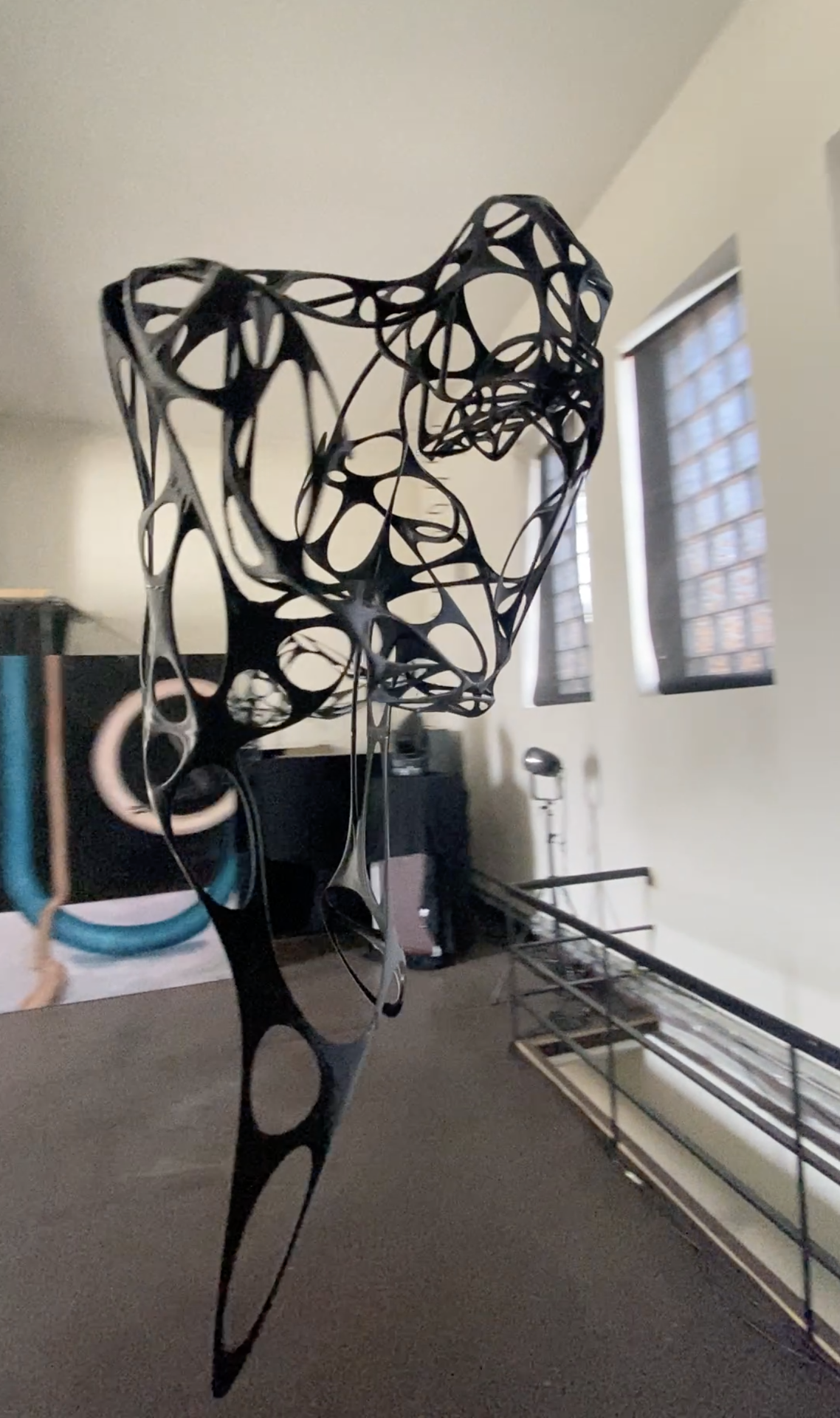
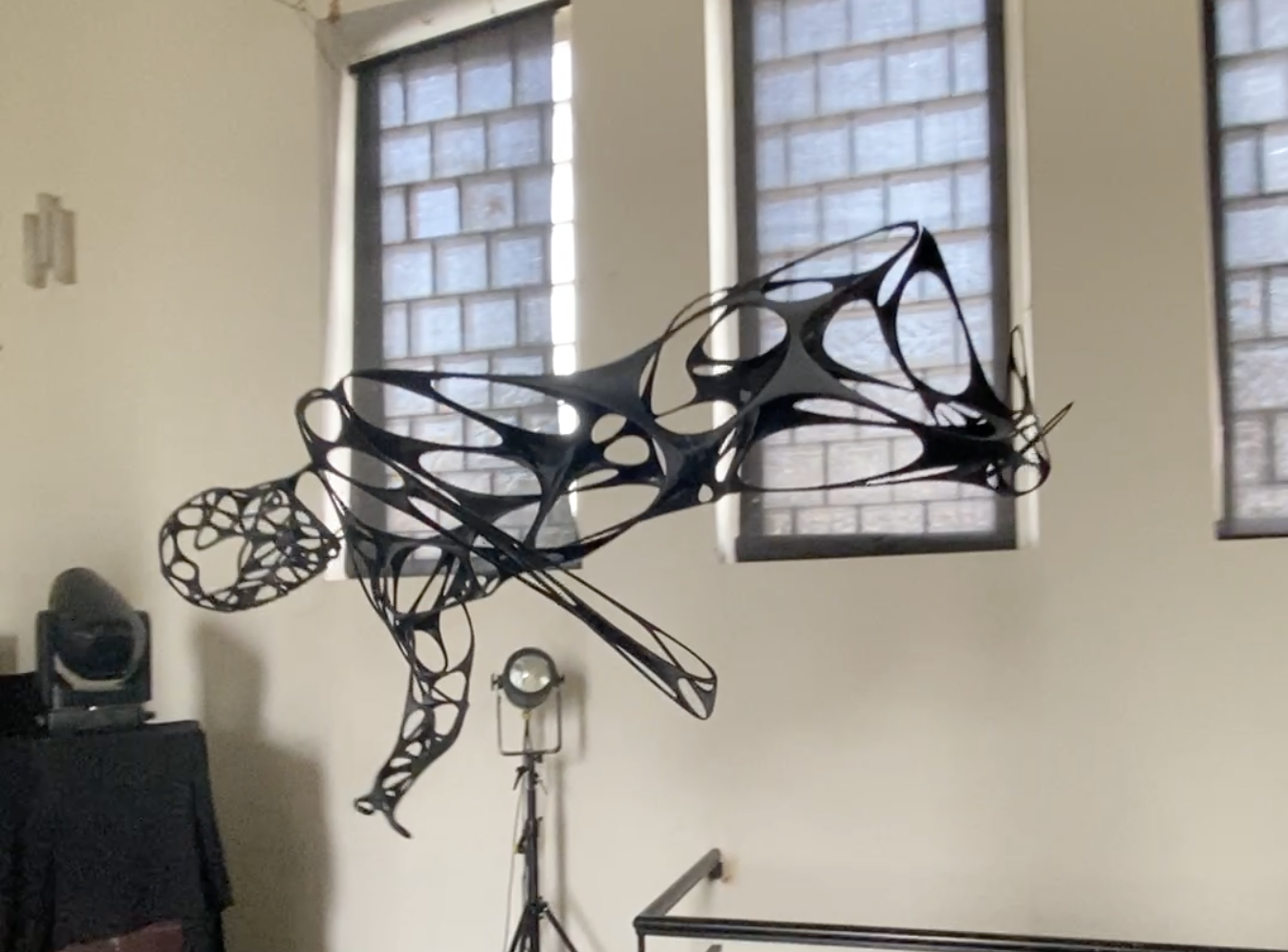
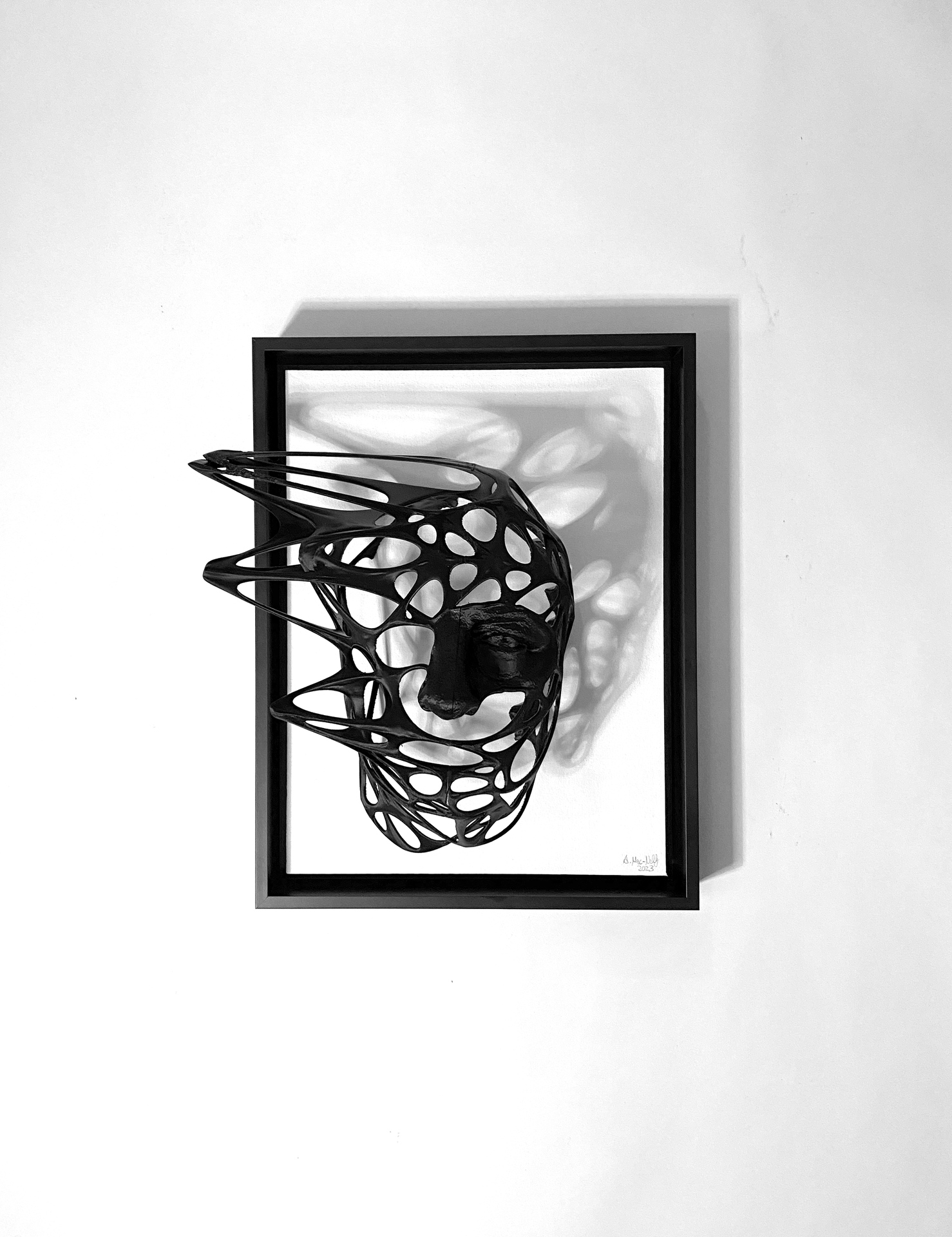
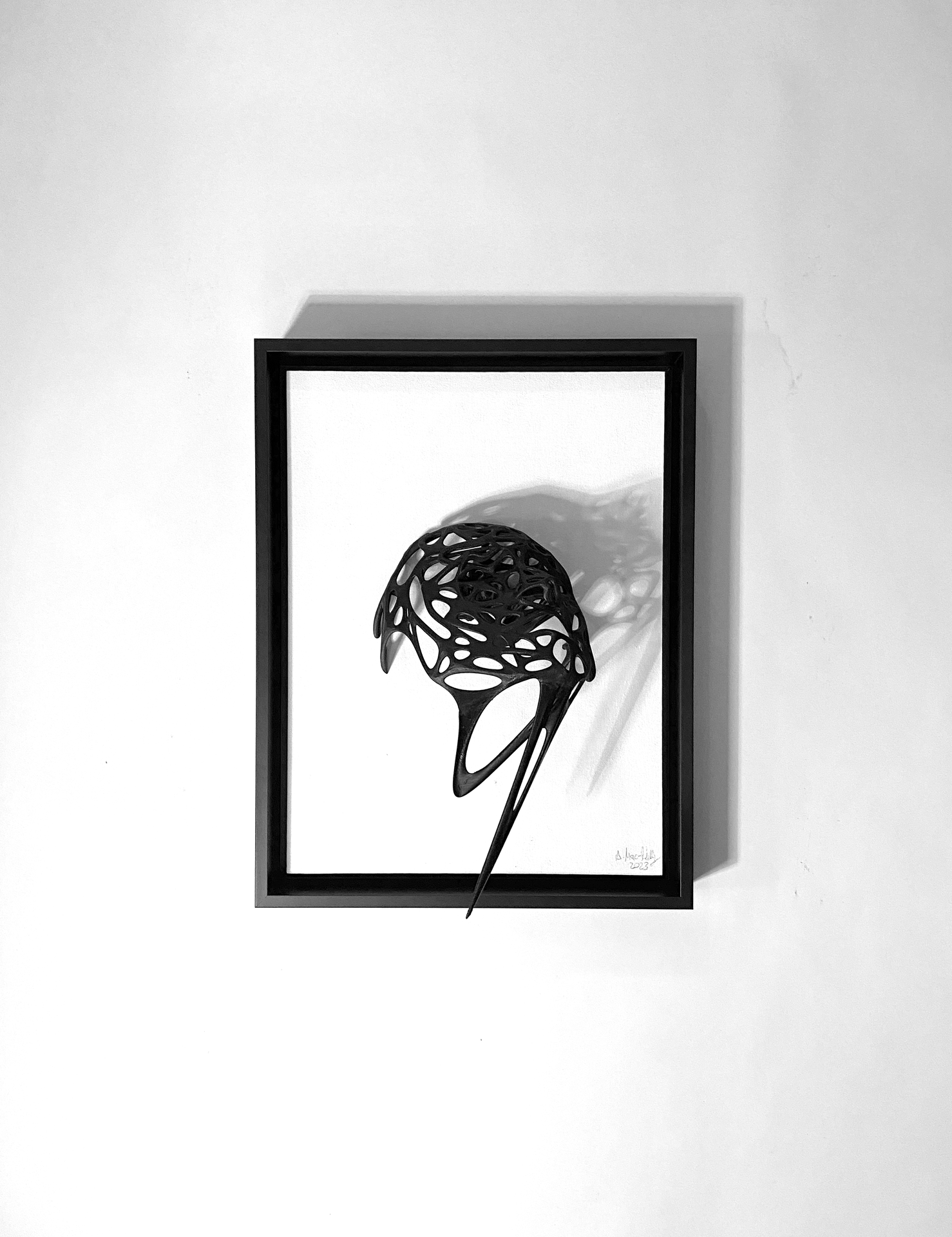
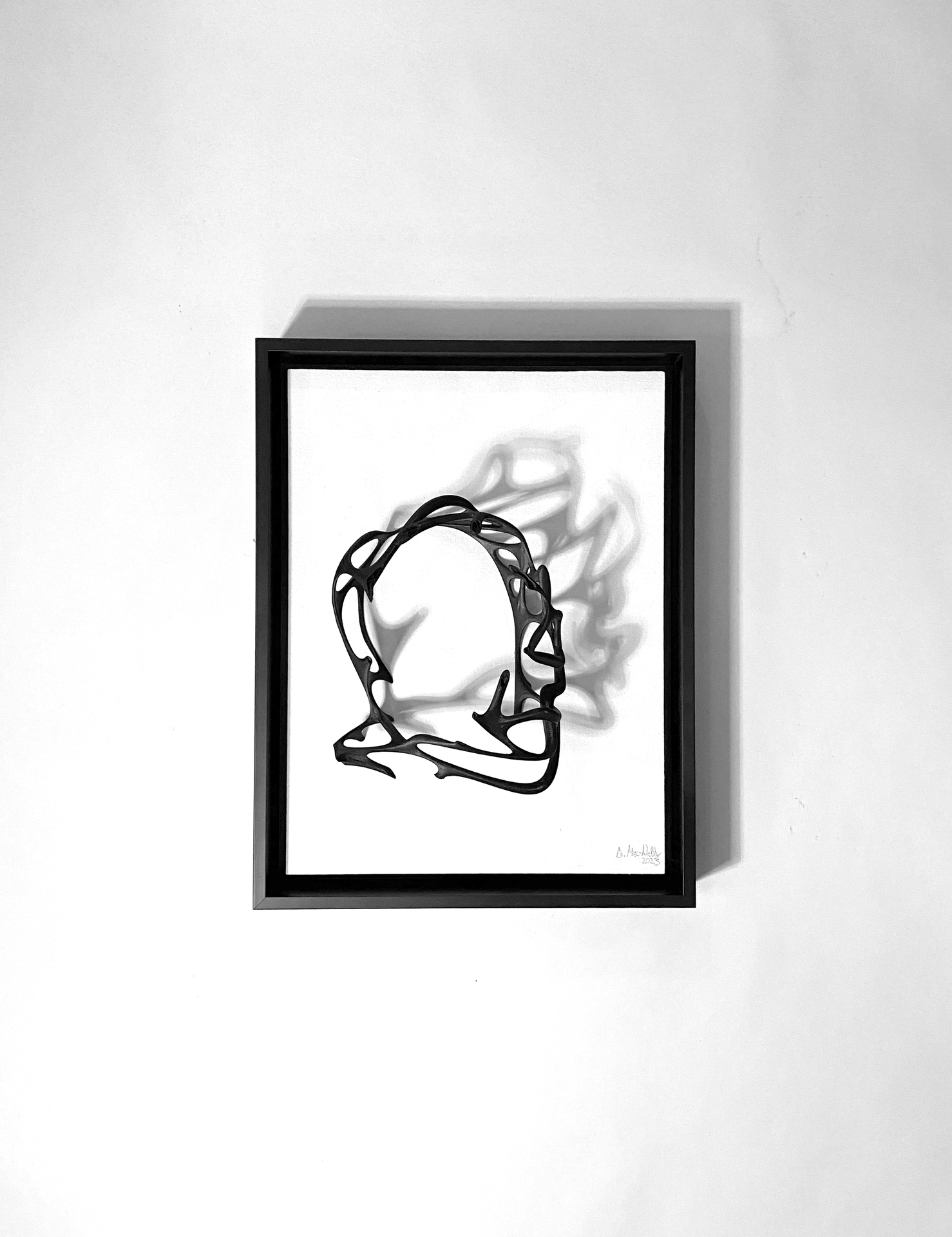
Biomorphose comprises a series of organically shaped, 3D-printed sculptures and accompanying drawing studies. At the heart of the project is the question of what new forms can emerge from the technical and material possibilities of 3D printing.
Among the fundamental challenges of 3D printing are the size of the objects, which is limited by the build volume, and the long printing time, during which errors in the manufacturing process must be kept to a minimum. Around 2022, numerous open-source projects were published that aimed to improve the print speed, precision and reliability of DIY 3D printers. Looking back, a great deal has changed in the commercial sector since then: thanks in particular to manufacturers such as Bambu Lab, 3D printing has become faster, more accessible and increasingly automated.
For this research project, I assembled, configured and programmed the open-source 3D printer Voron 2.4 myself. My in-depth exploration of the machine formed the technical basis for my experiments into form-finding, the optimisation of printing processes and the joining of individual printed components.
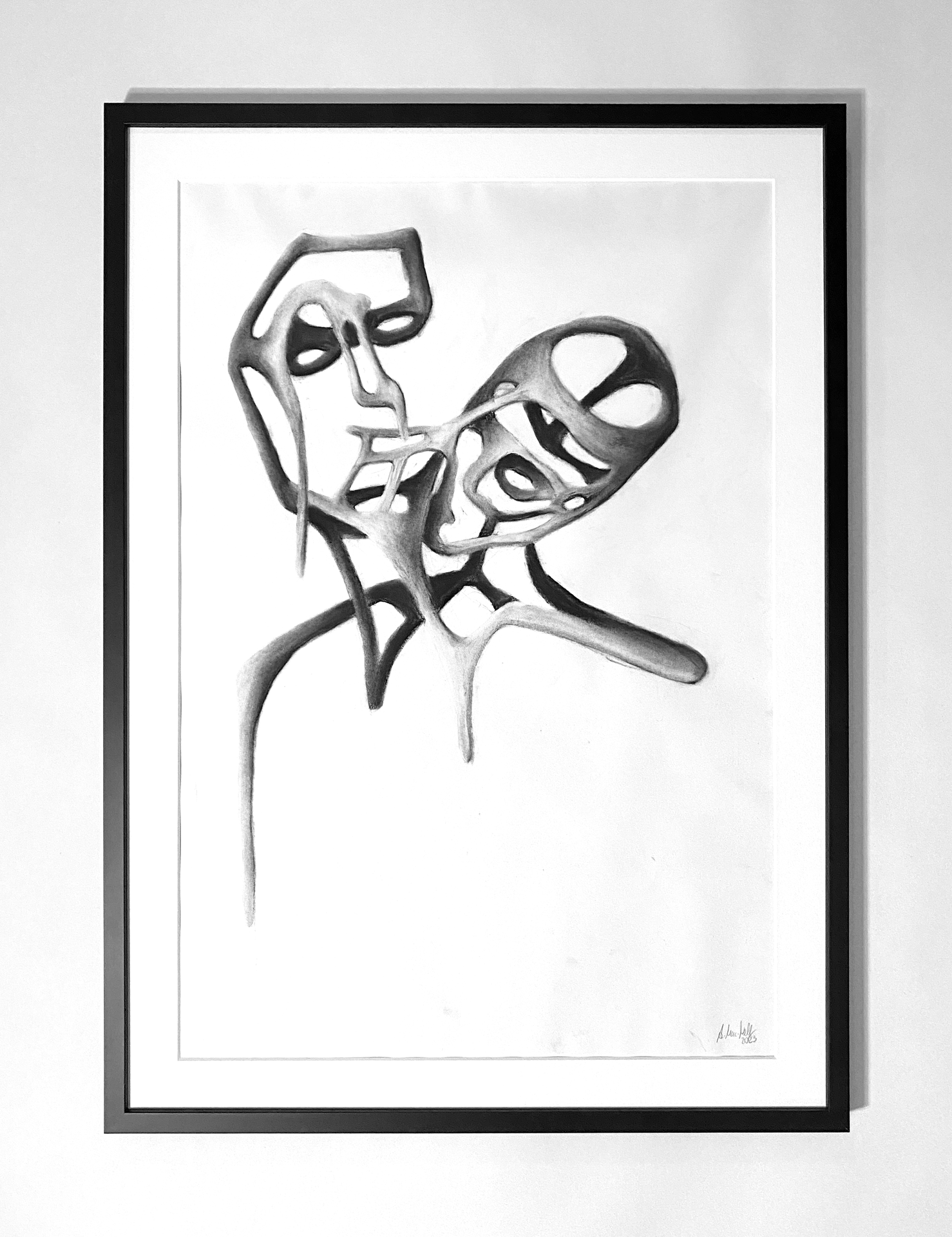
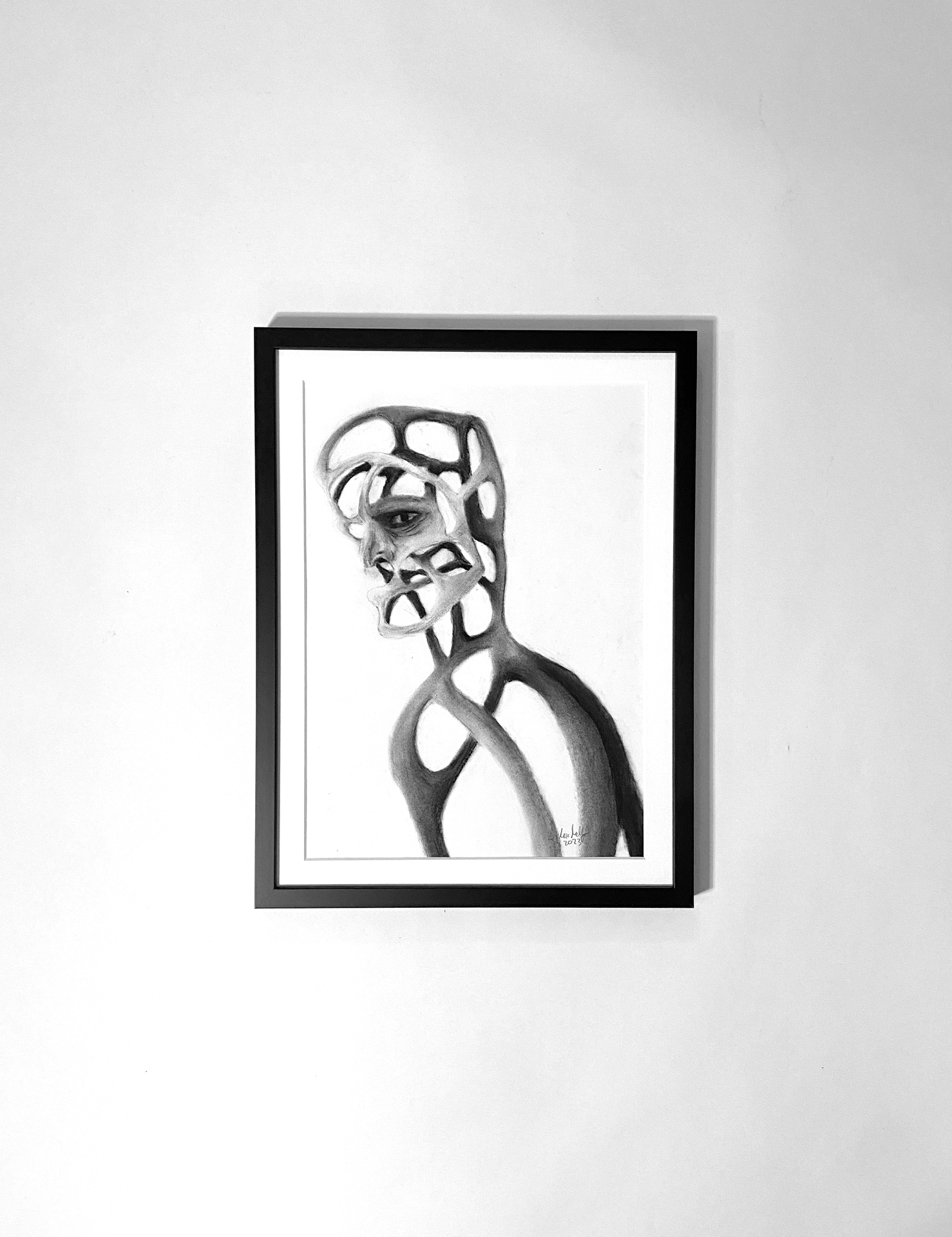
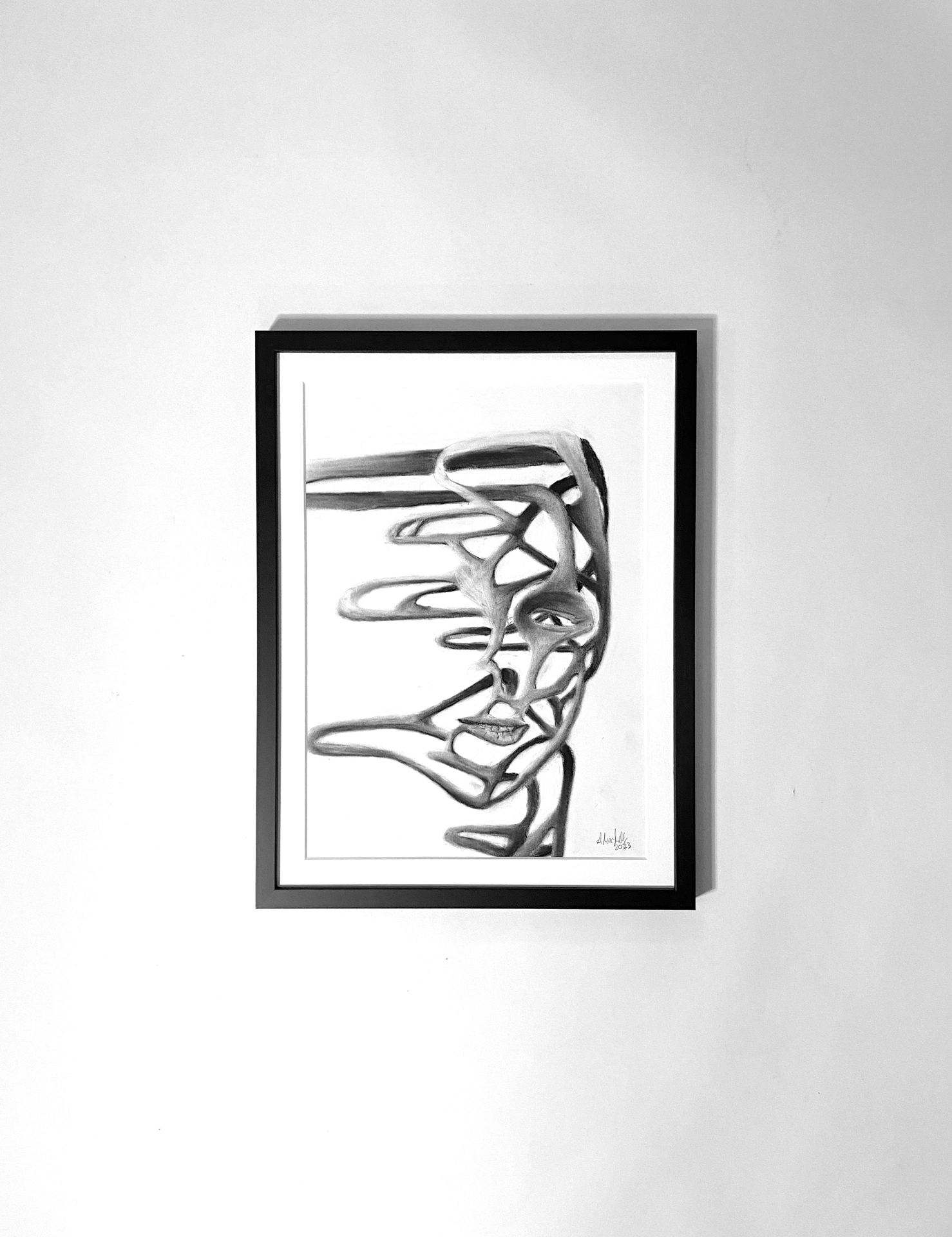
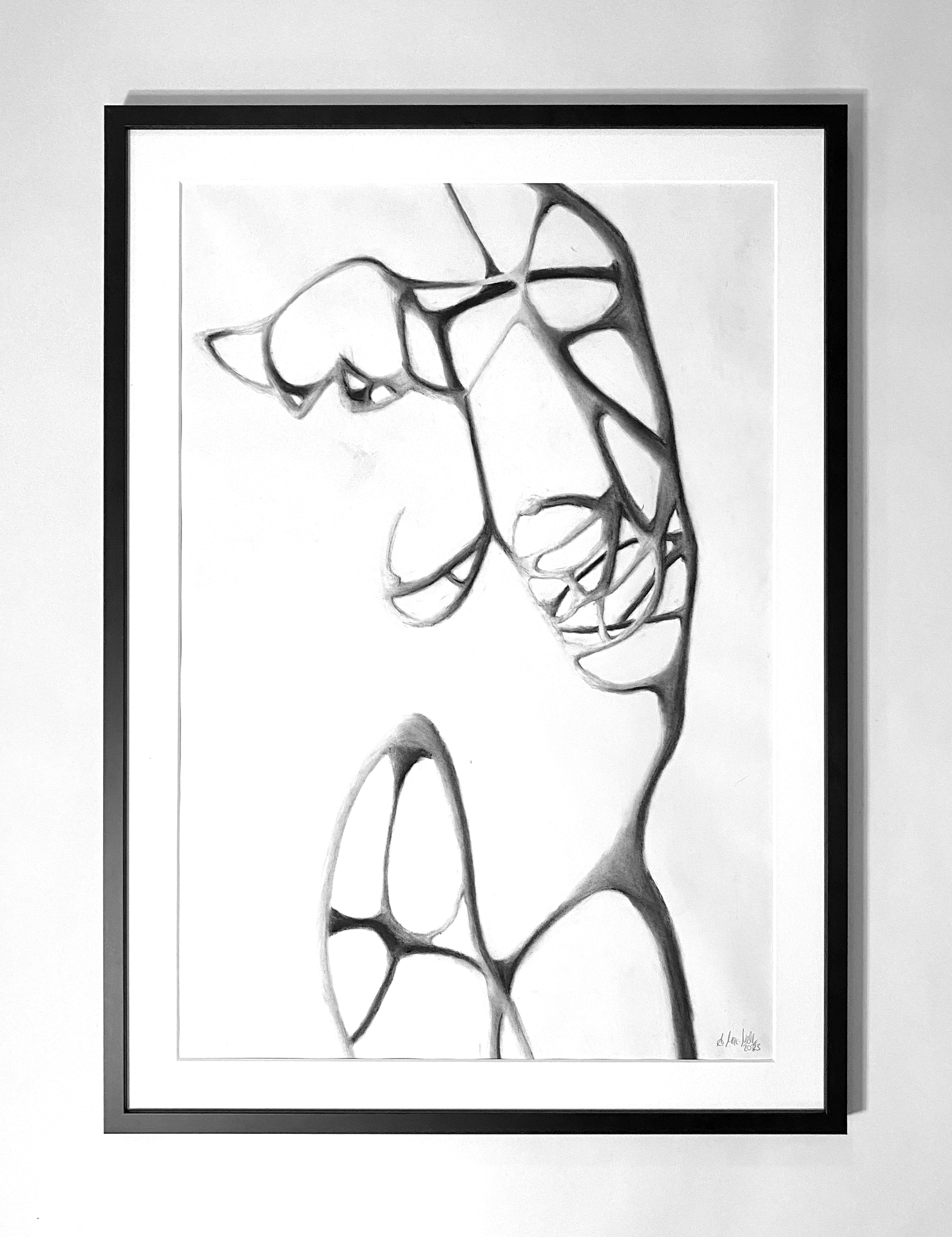
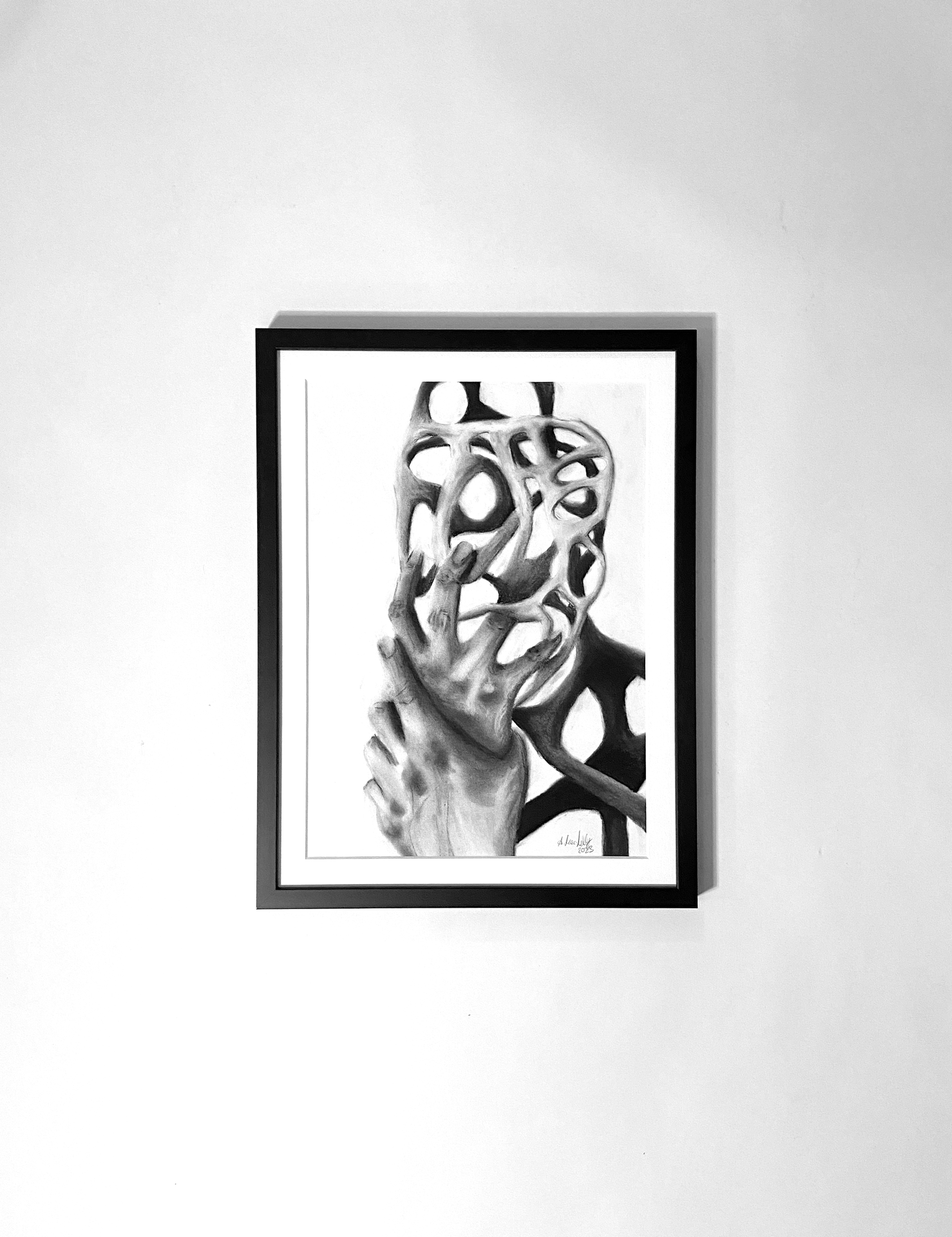
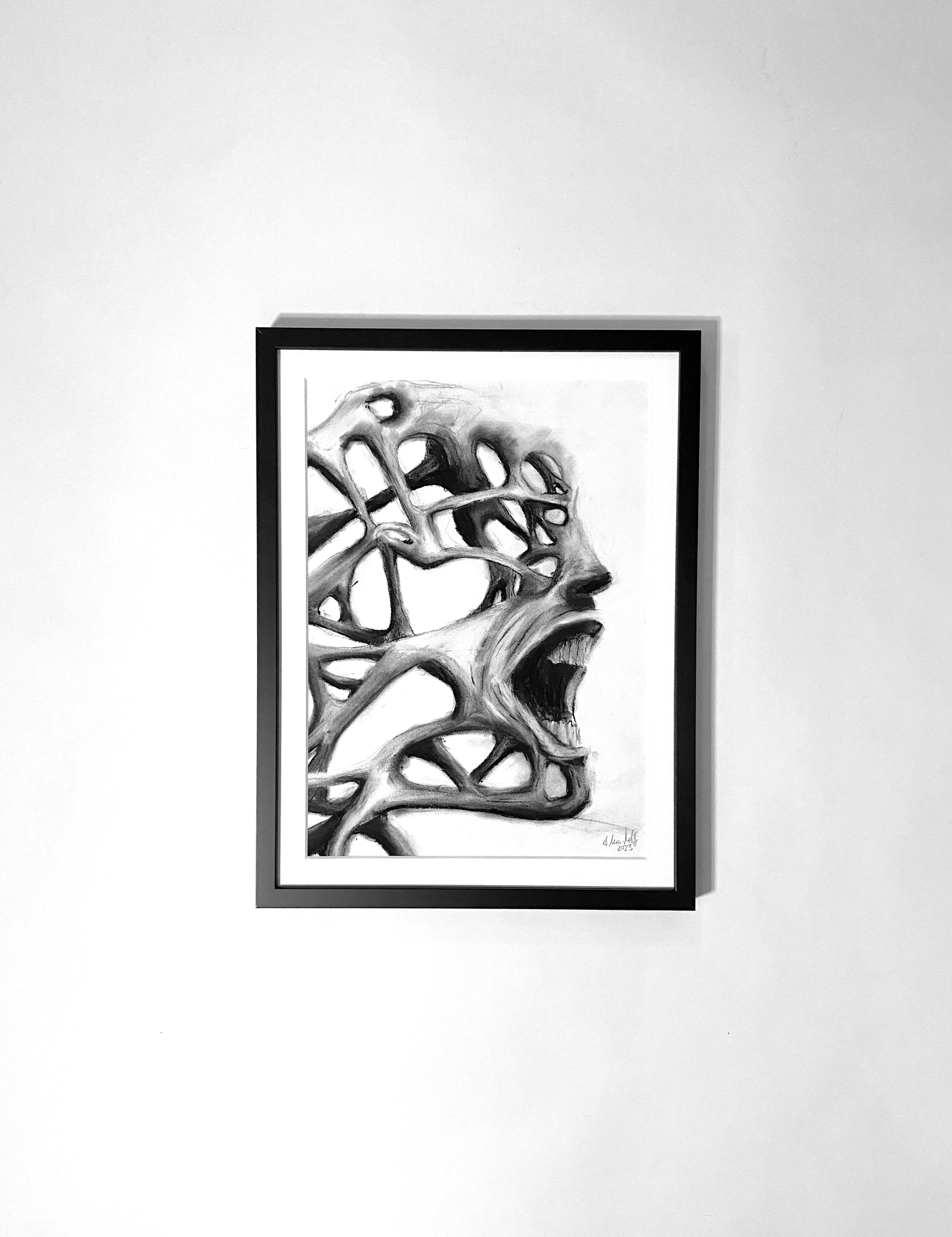
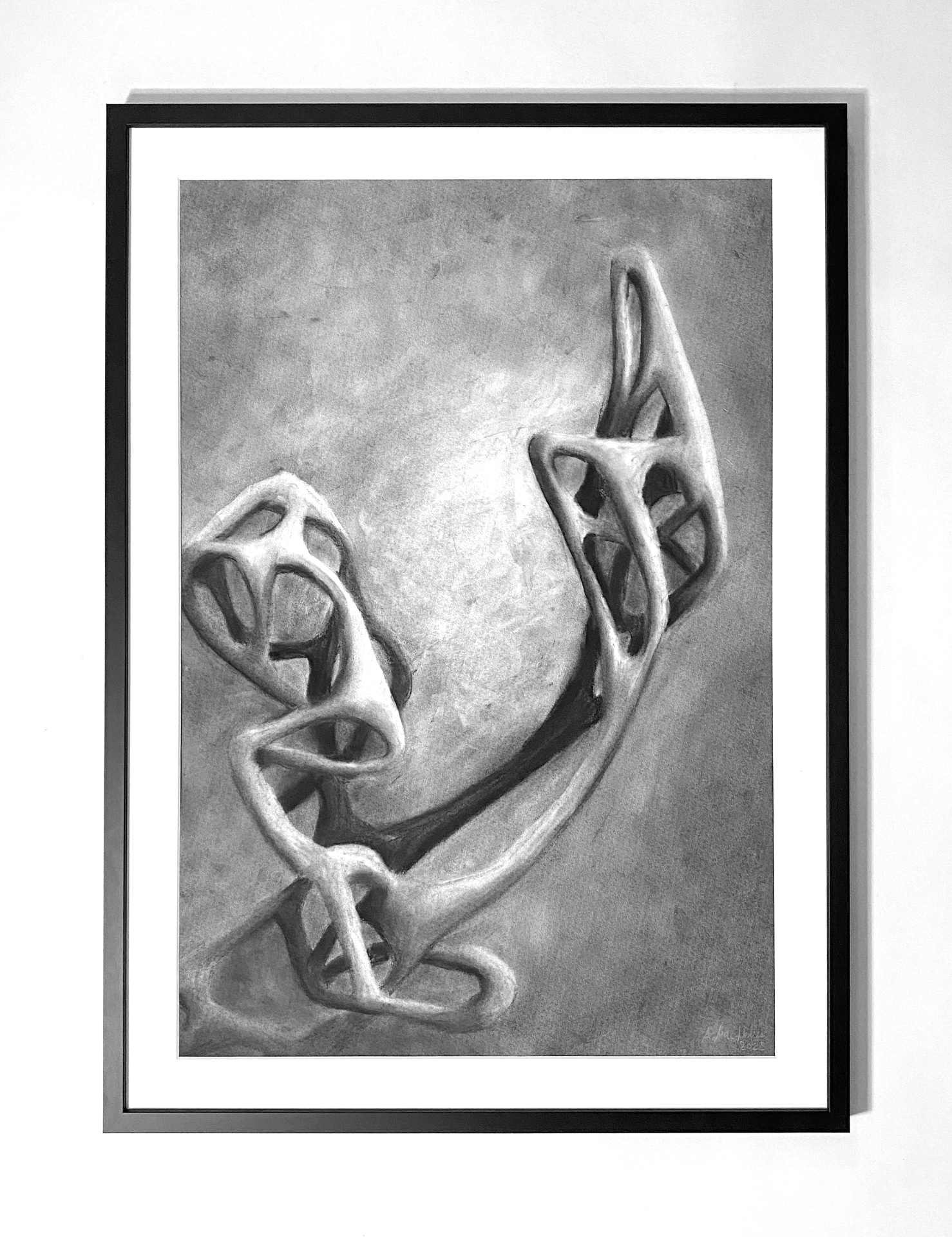
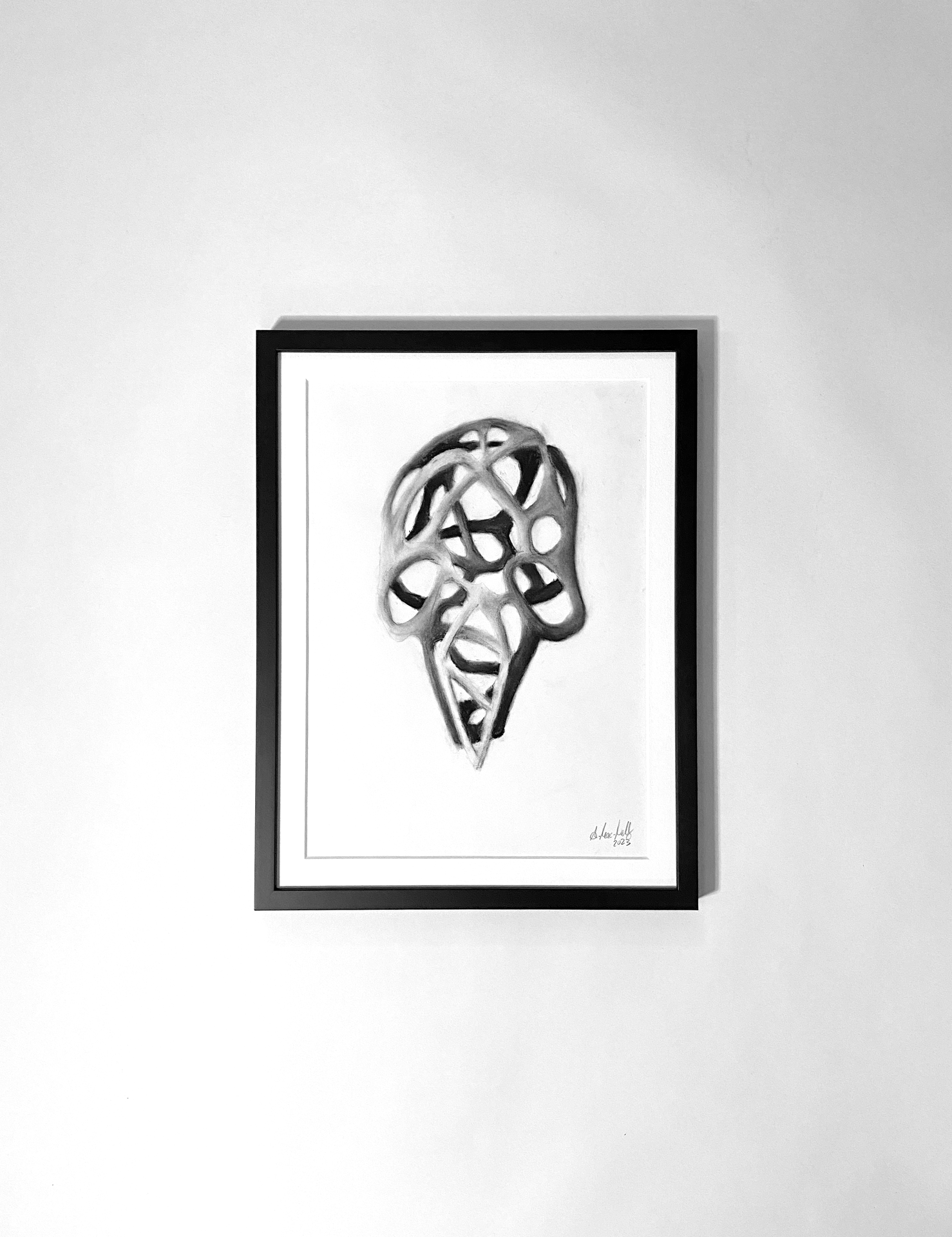
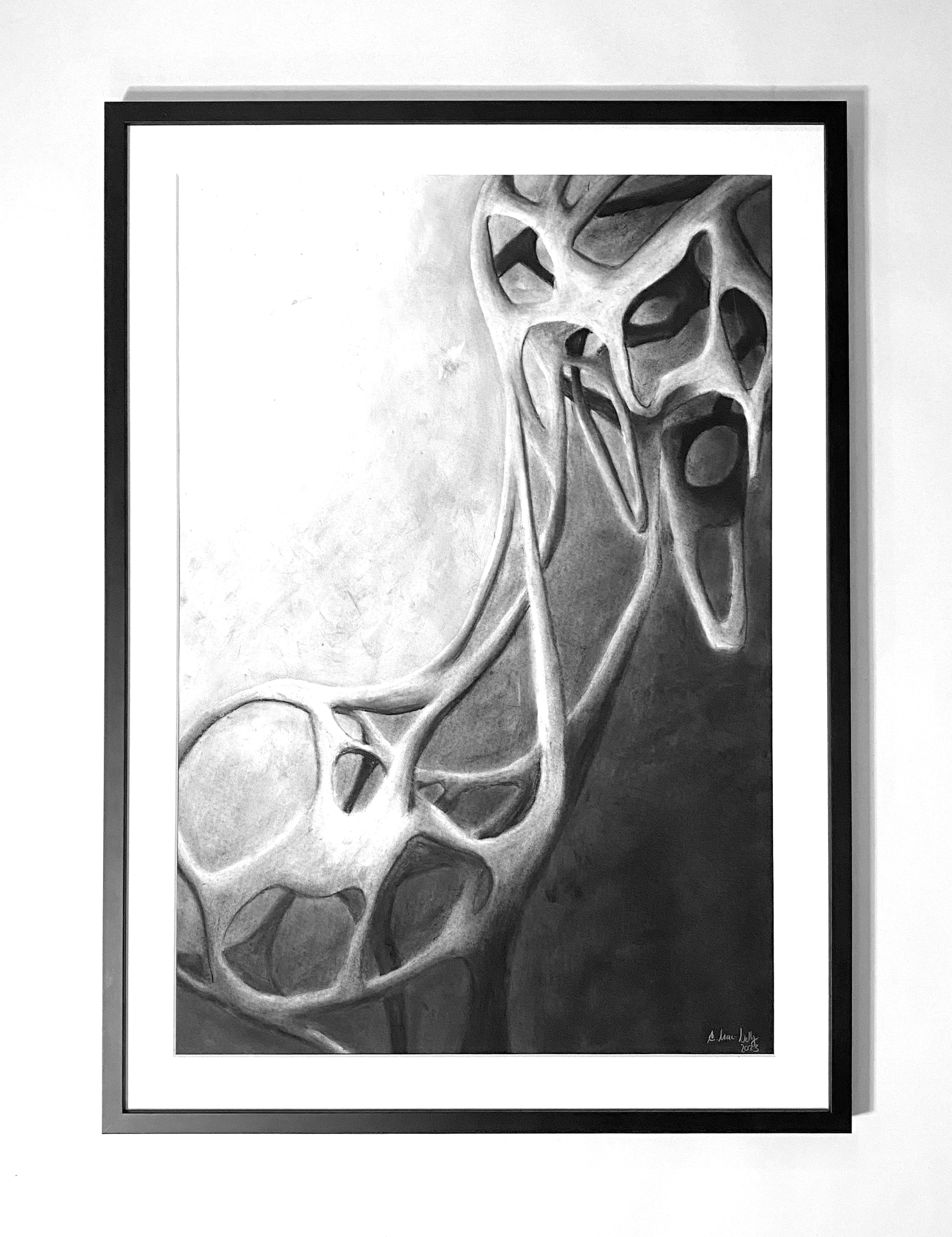
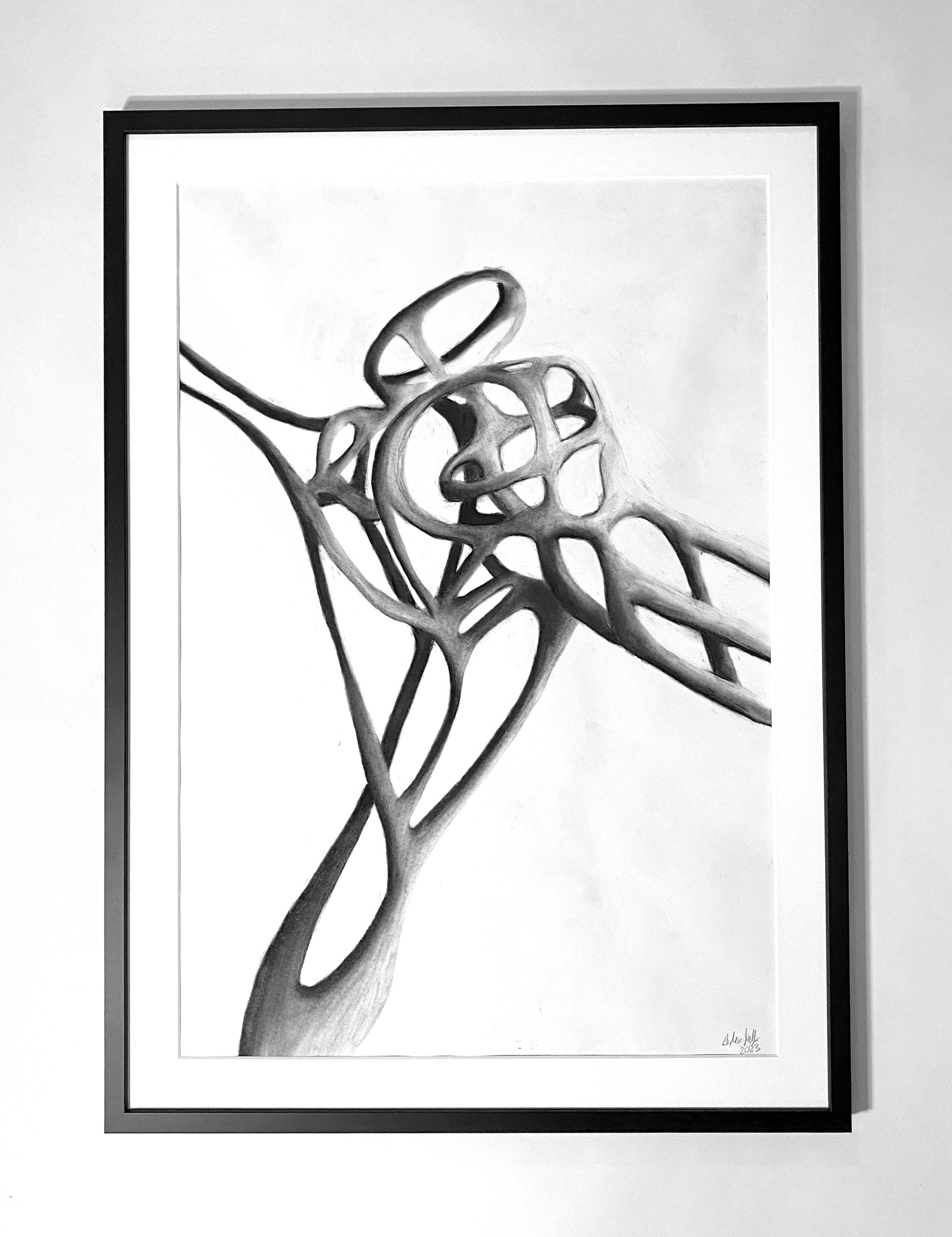
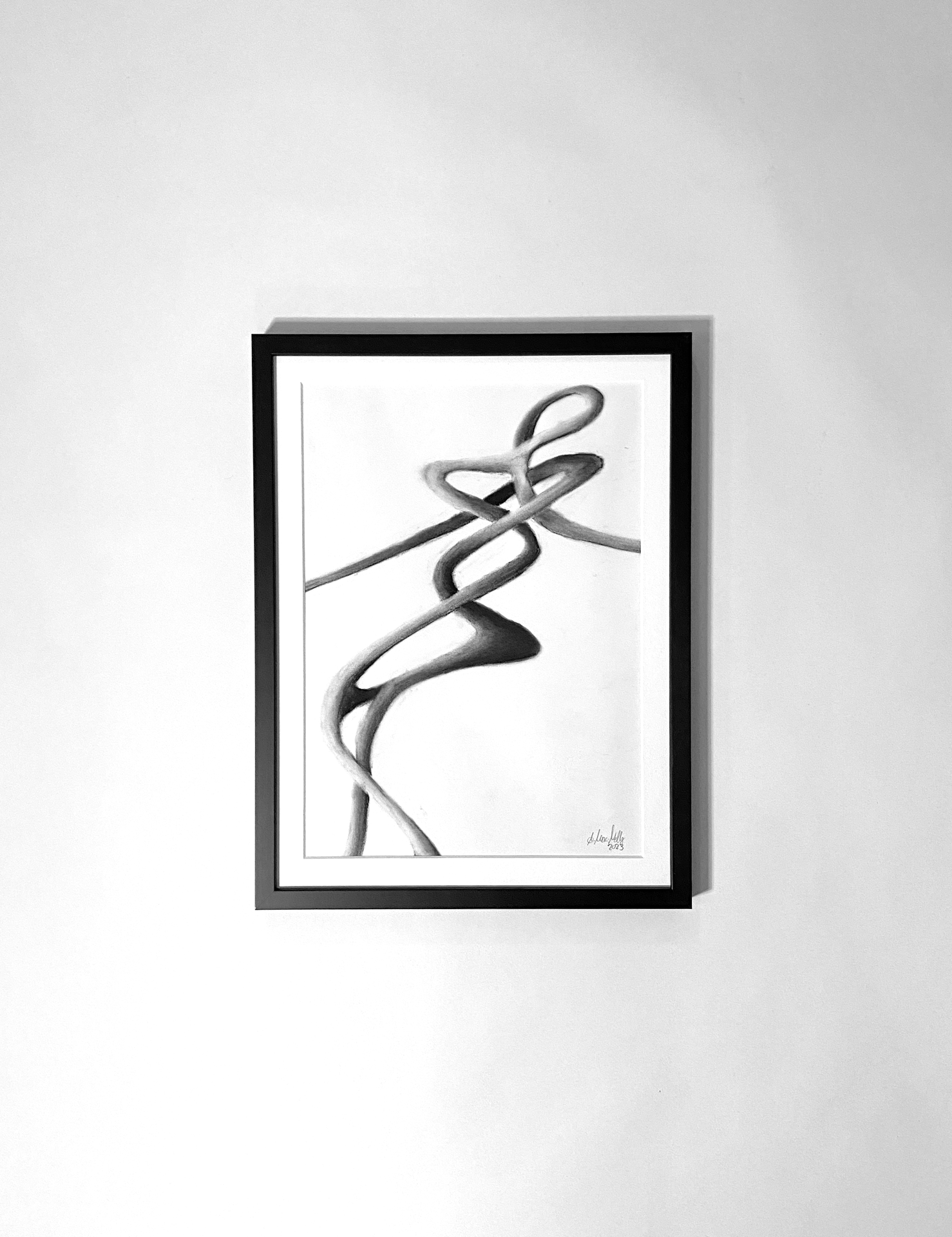
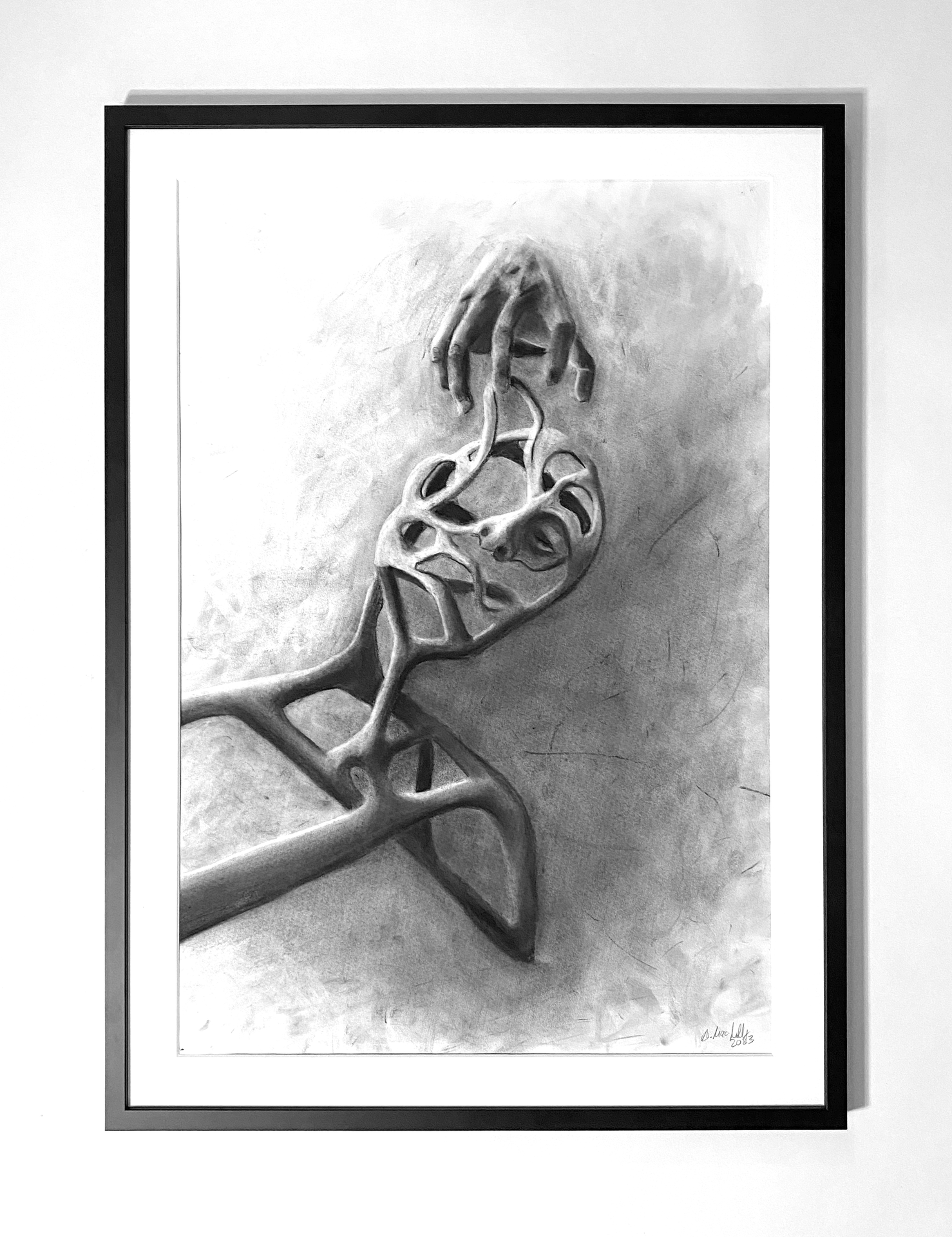
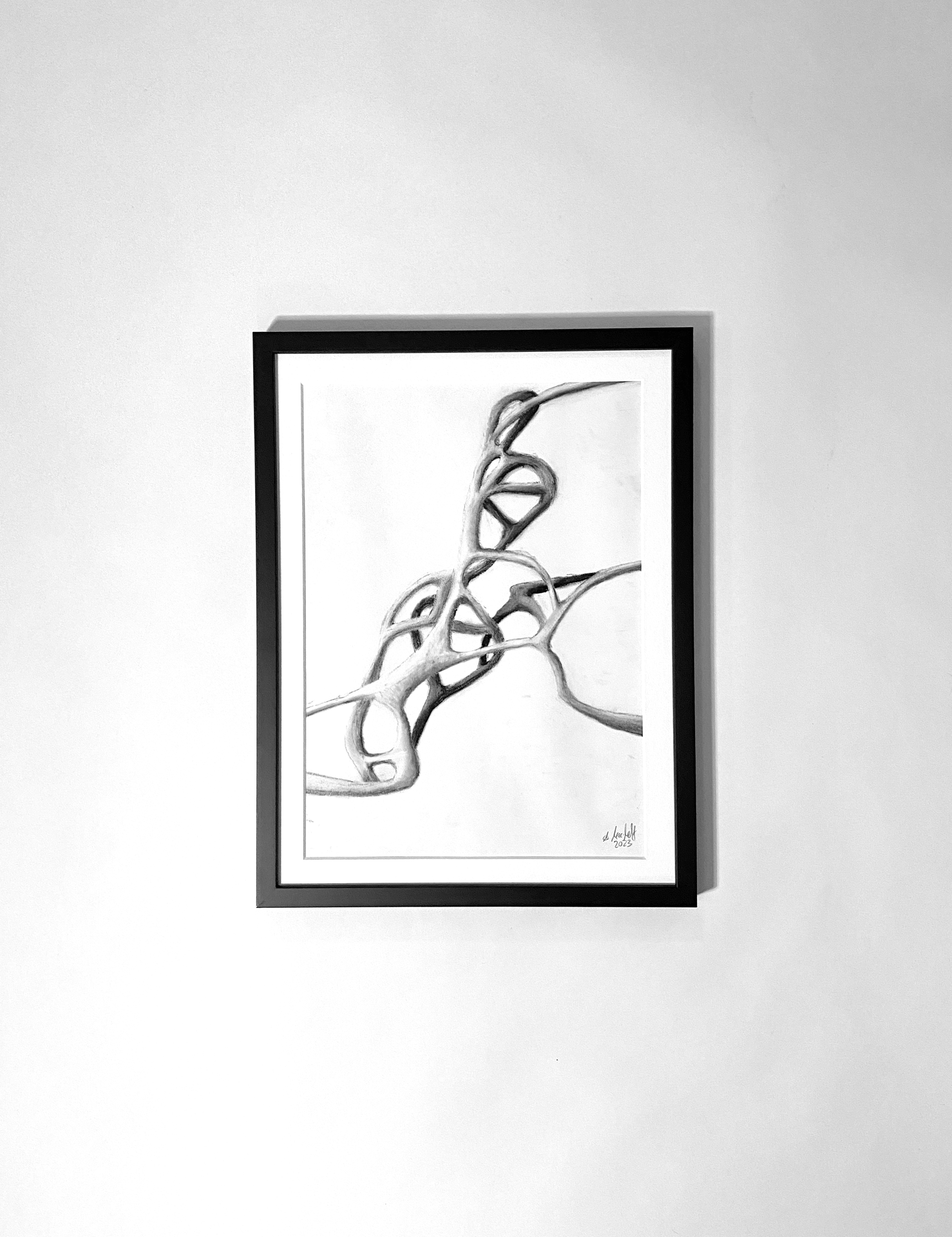
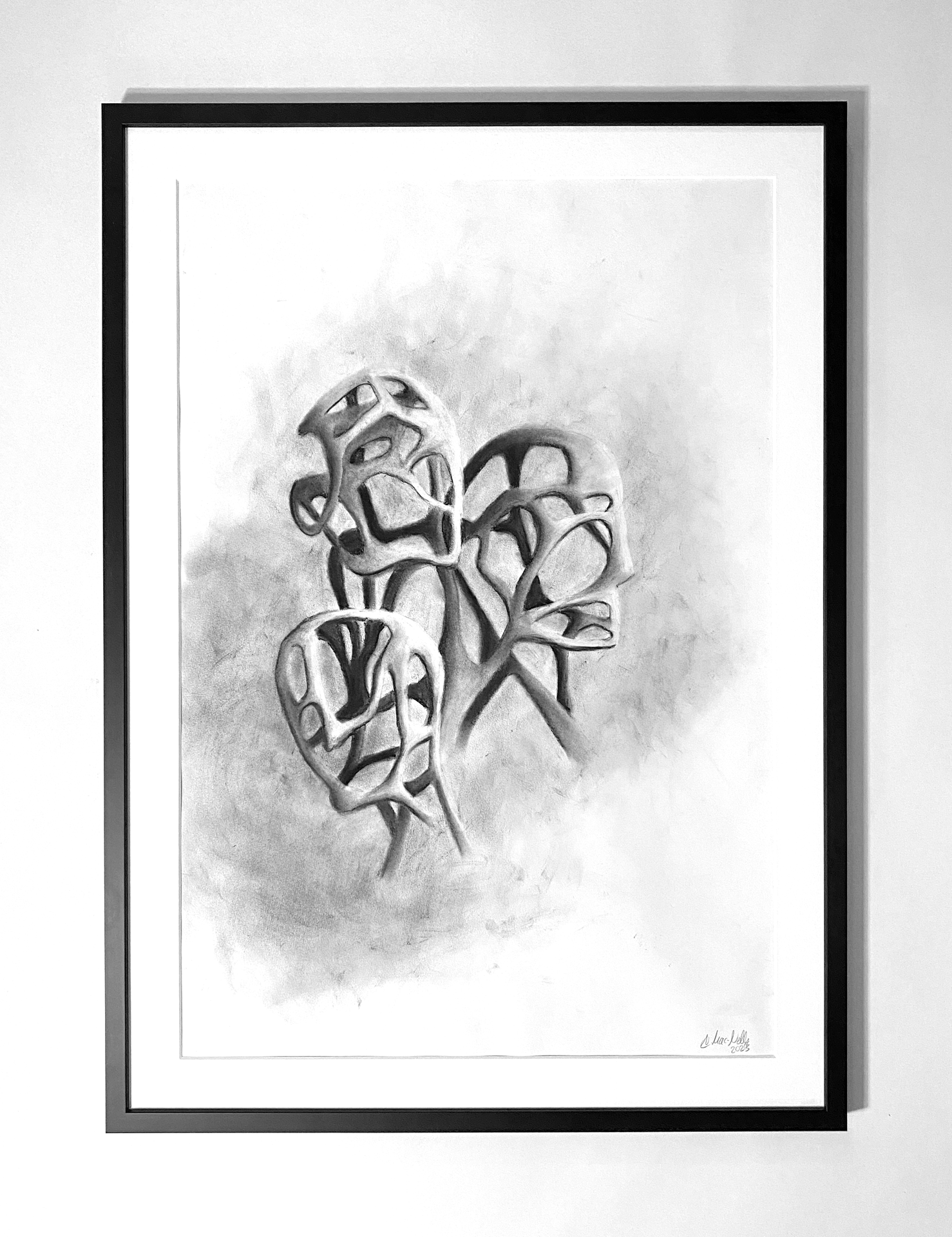
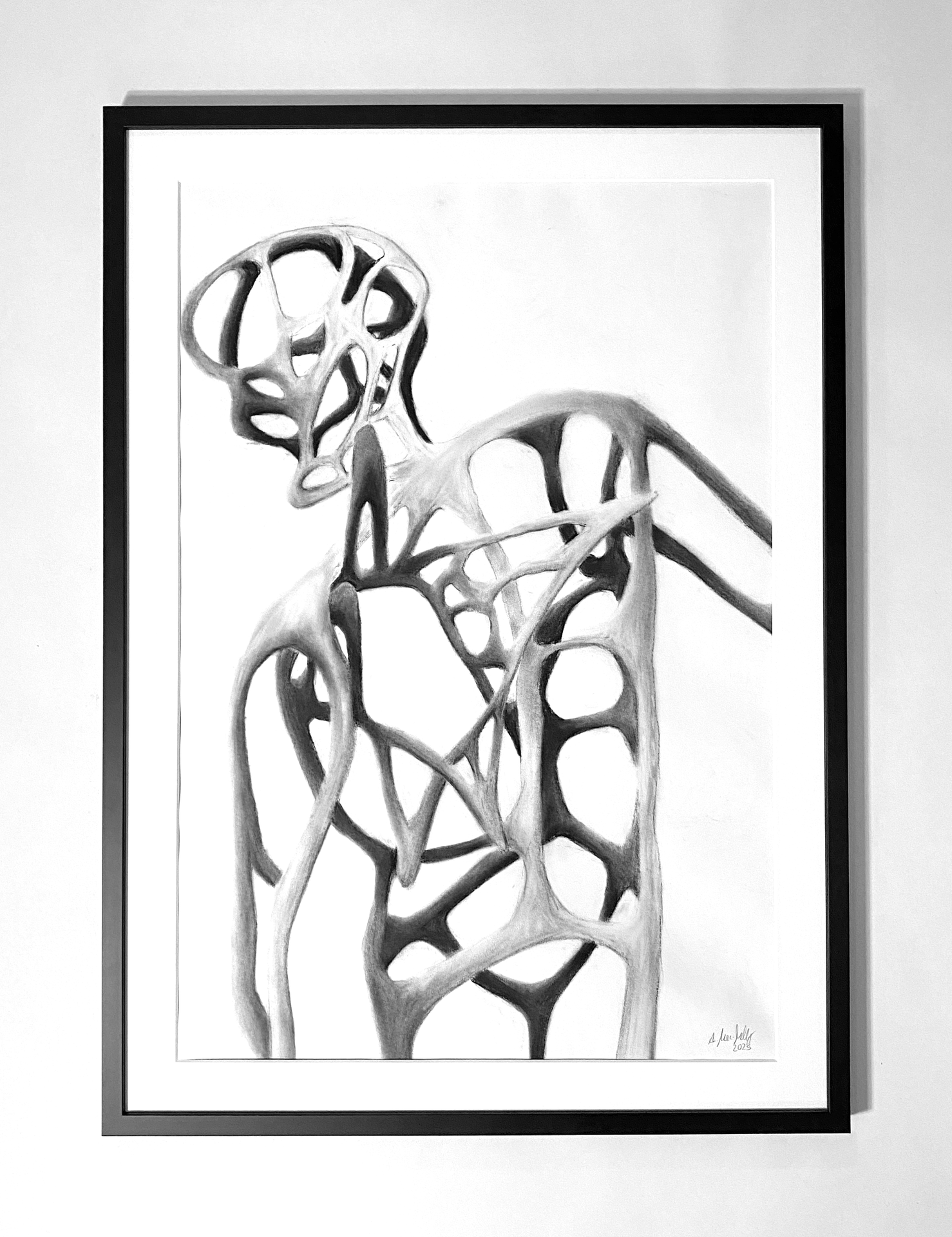
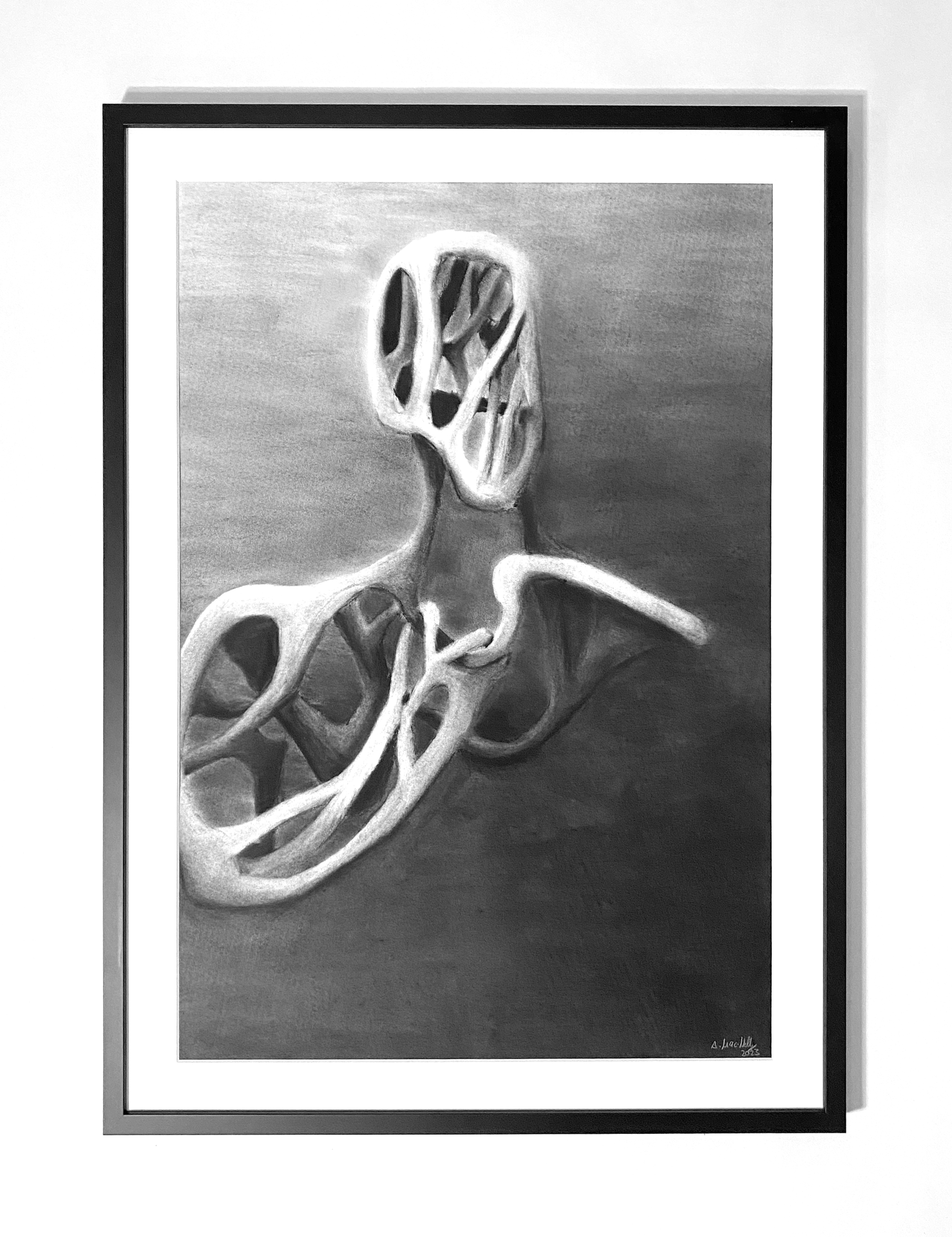
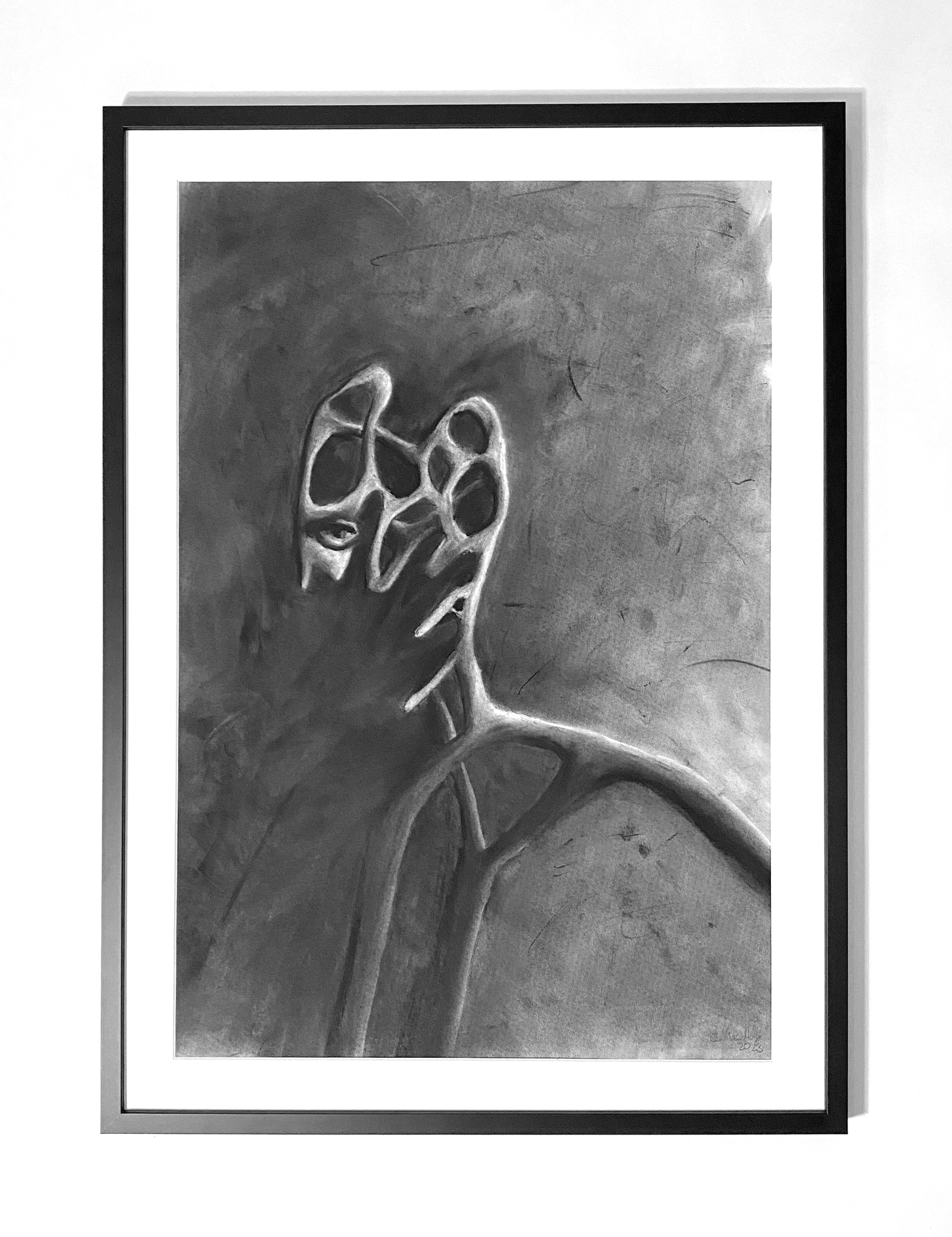
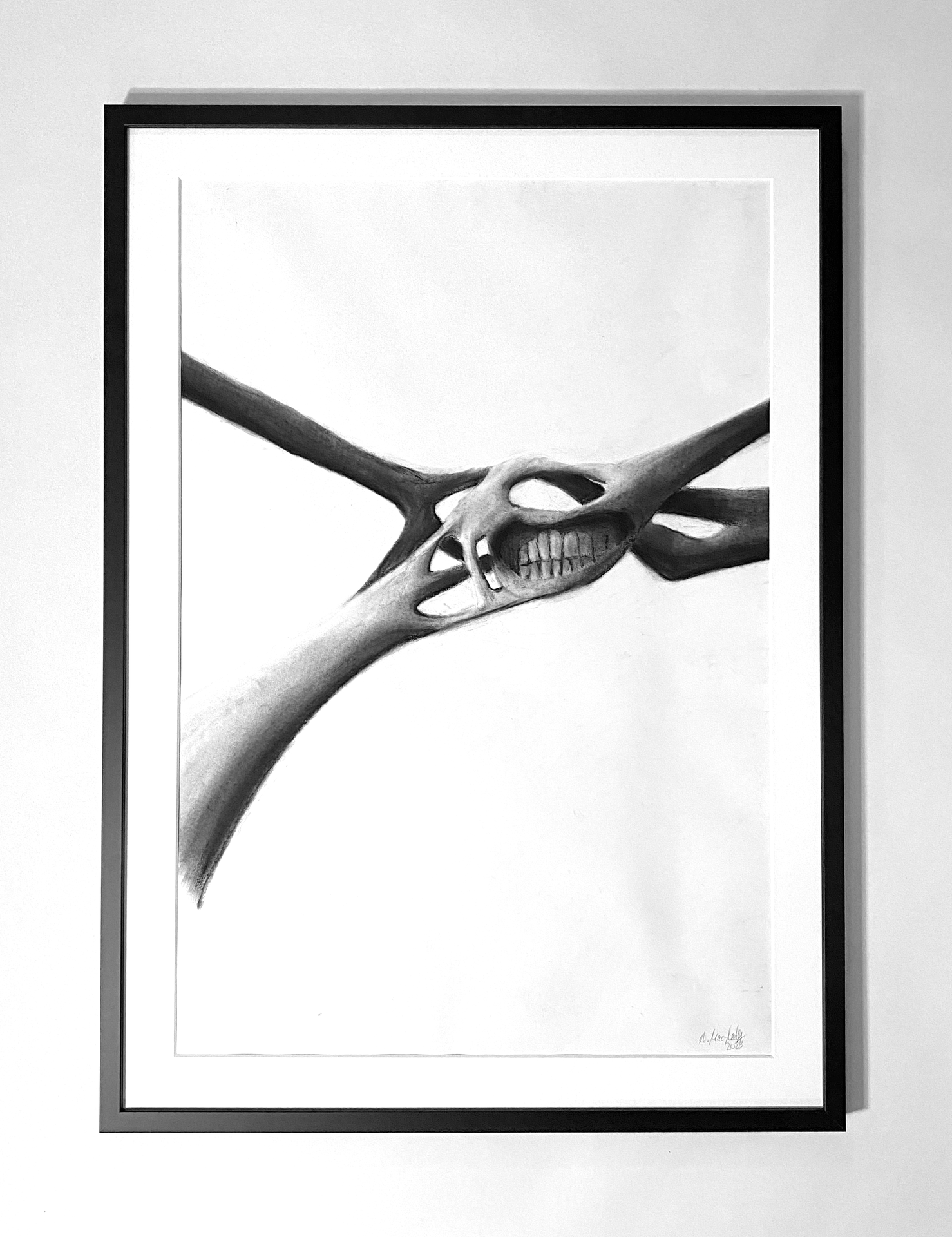
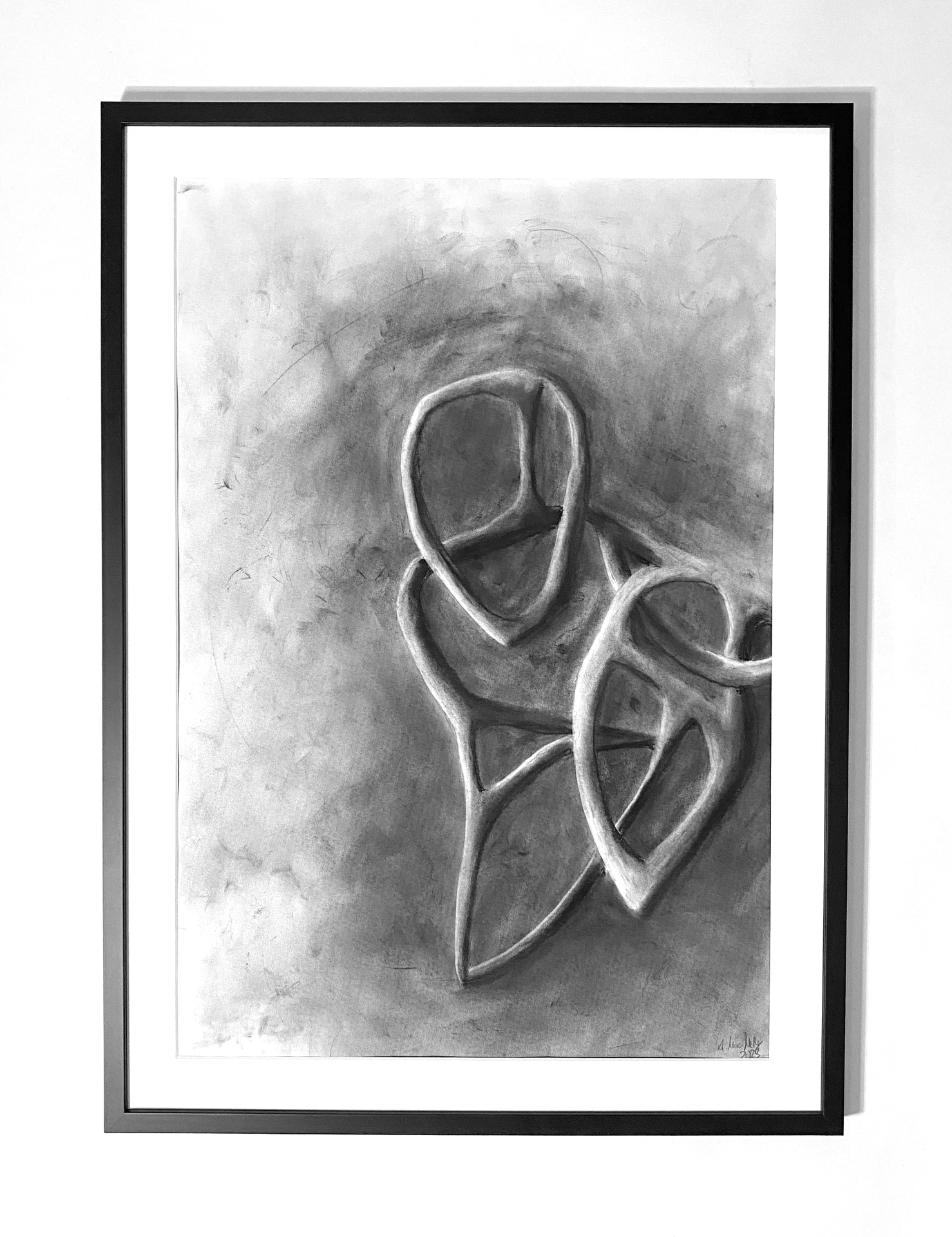
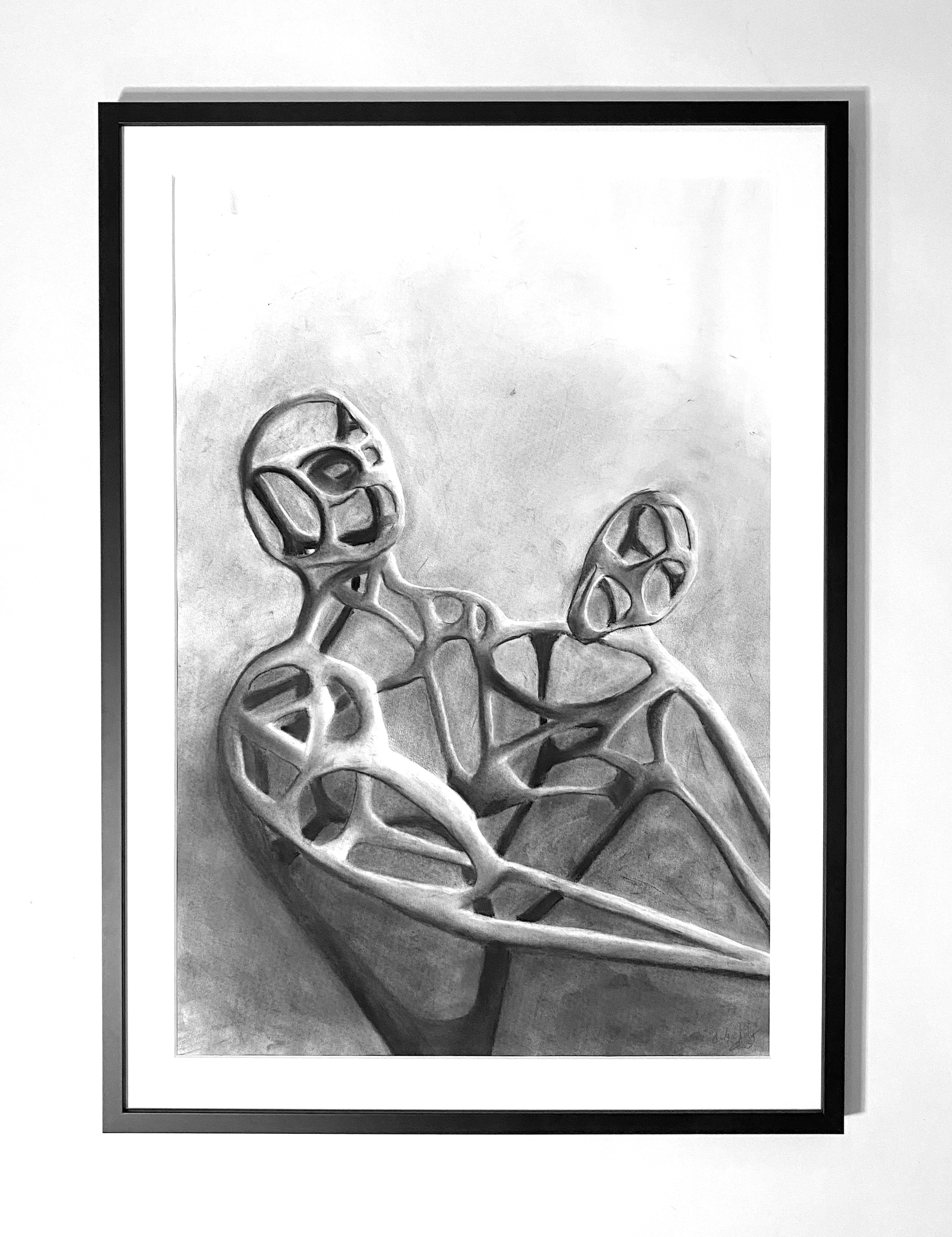
In parallel with the algorithmic development of forms in digital modelling programmes, numerous drawn studies of organic and figurative forms were produced. The drawings served not only as preliminary studies for the sculptures, but also as an independent exploration of movement, physicality and biomorphic structures.
Form-finding and connections
The aim of the project is to design figurative sculptures and construct them in such a way that they can be produced using additive manufacturing processes and assembled from several elements.
A conventional, solid design language, such as that seen in chiselled stone figures, poses particular challenges for 3D printing. Solid, voluminous forms require large quantities of material, result in long print times and place high demands on the precision of the individual connection points. Particularly in the case of large-scale sculptures, the components must be divided in such a way that they can be reliably printed, transported and subsequently assembled as seamlessly as possible.
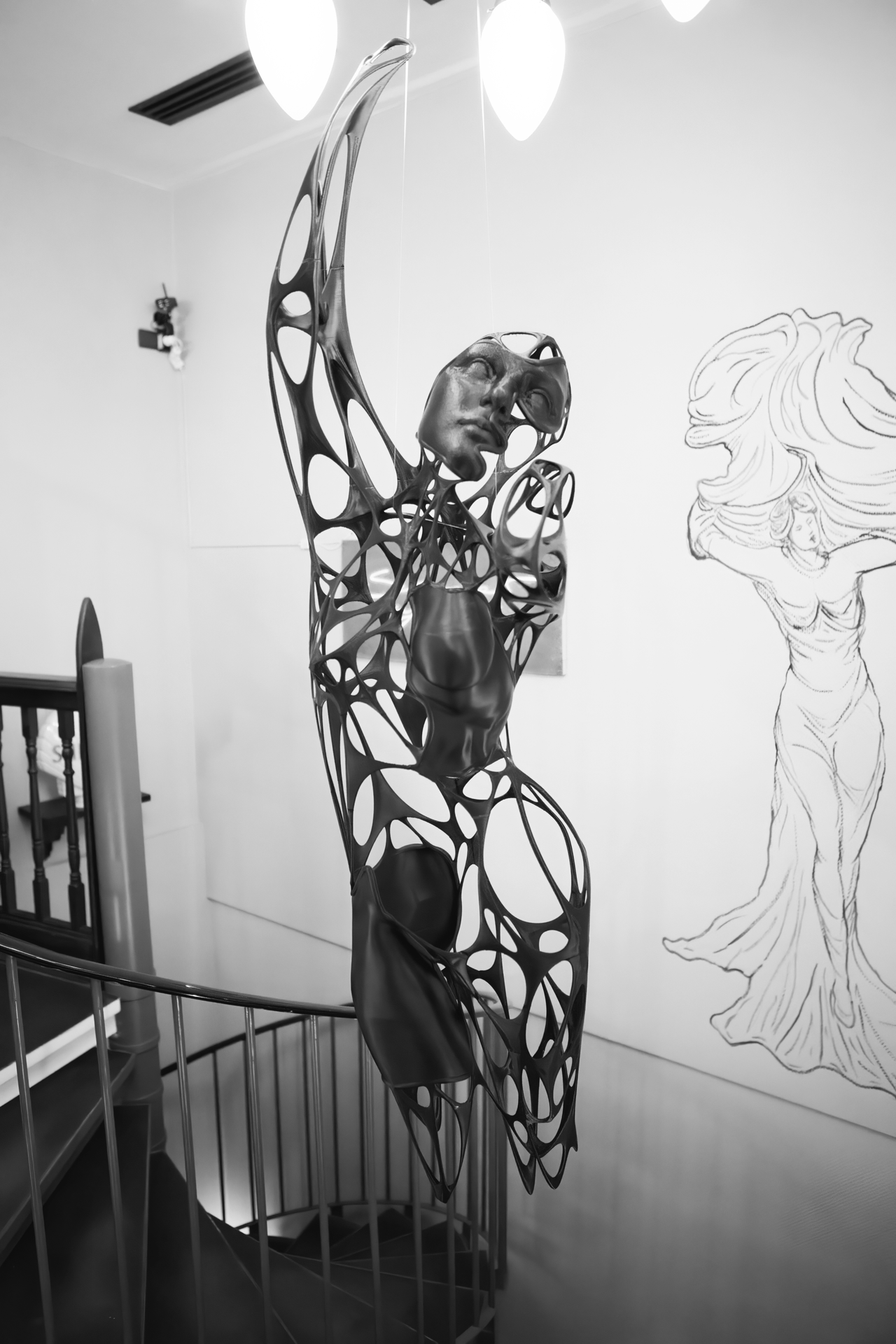
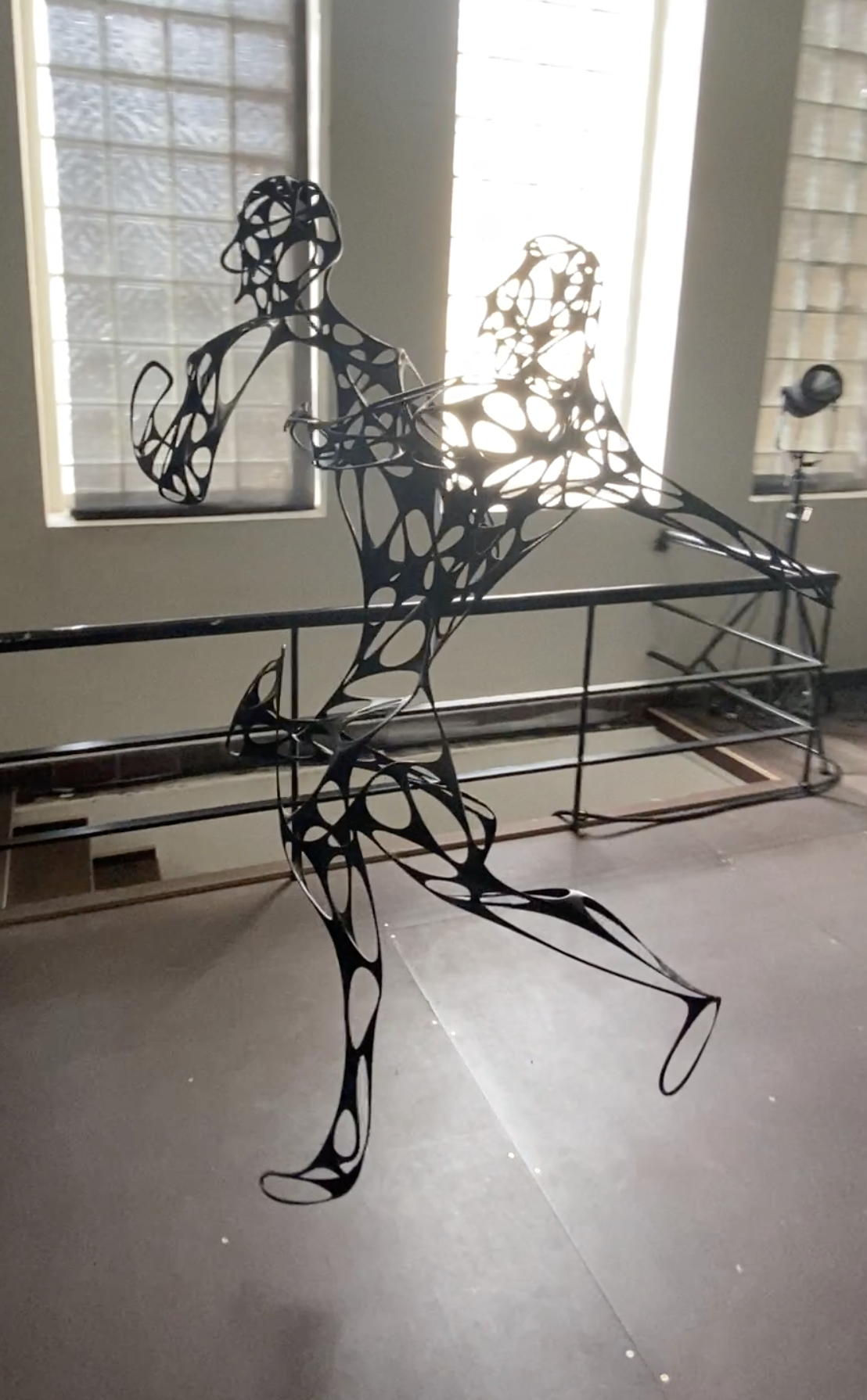
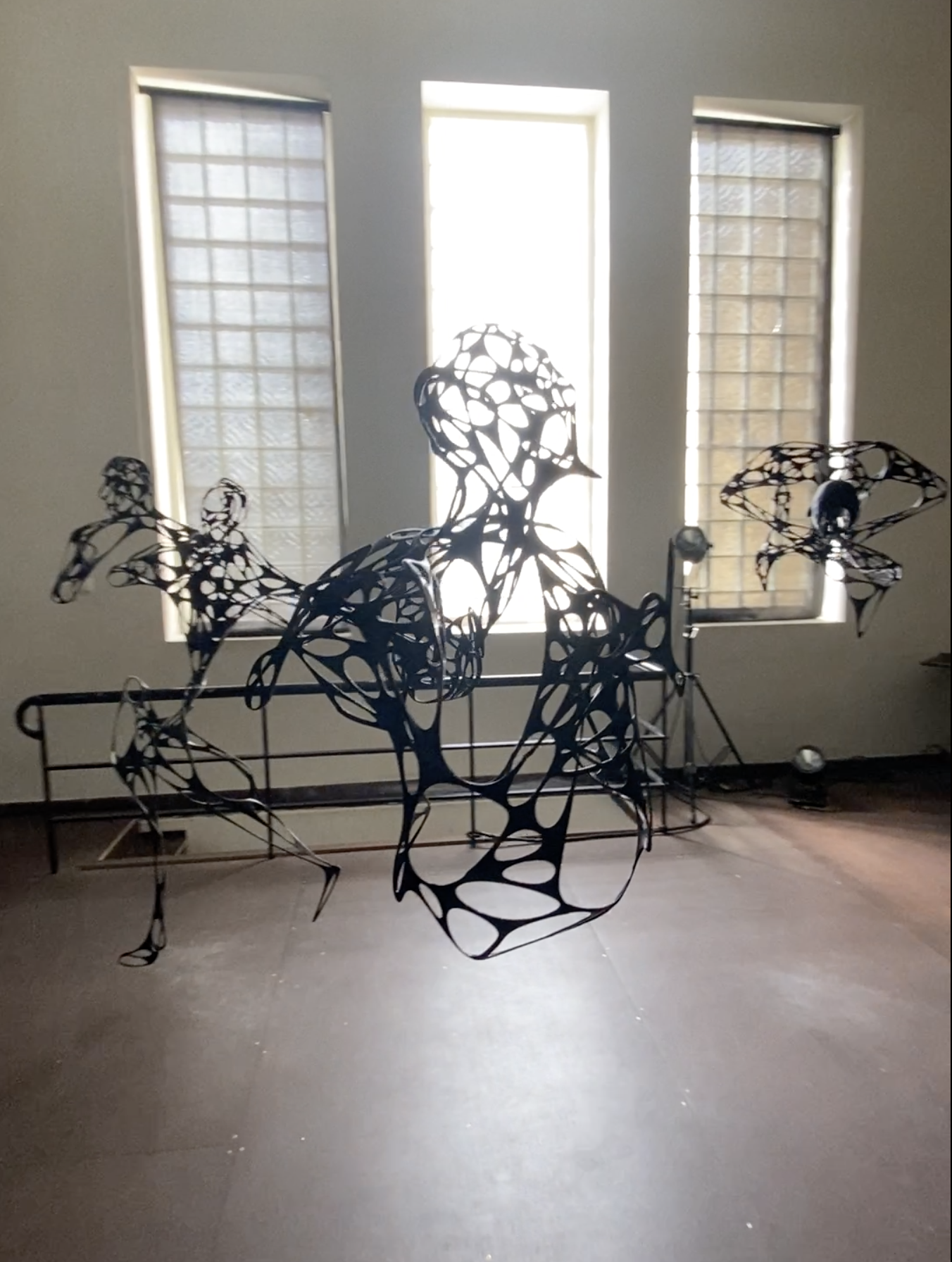
For this reason, the human poses were first modelled as closed digital bodies and then algorithmically transformed using a newly developed design language. Using a combination of Grasshopper and Rhino 7, the outer shell of the bodies was translated into a structure that is both structurally sound and material-optimised.
The resulting forms follow mathematically calculated paths and are reminiscent of natural branches. The material becomes denser where greater forces need to be absorbed and transmitted, whilst areas under less stress can be formed to be lighter and more porous. In this way, a form emerges that not only appears visually organic but is also organised according to the structural and material principles of growth.
At the same time, an artistic question arises: how can figurative expression emerge when faces, bodies and poses are depicted not in a naturalistic manner, but through abstract, optimised structures? How much of a body must remain recognisable for posture, movement or emotion to be perceived?
The interplay between drawing studies and digital modelling was particularly important in this context. Whilst the algorithmic methods opened up new design possibilities, drawing helped to continually re-examine the physicality, dynamism and expressiveness of the figures. The sculptures thus emerged through an ongoing process involving intuitive drawing, digital calculation and physical production.
Sculptures
1 / 12
Drawing studies
1 / 20